Verbascum sinuatum
L.

(c) .Bambo., some rights reserved (CC BY-NC-SA)
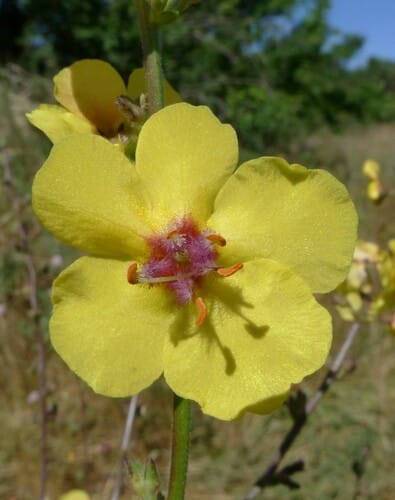
(c) Mario Klesczewski, some rights reserved (CC BY-NC)
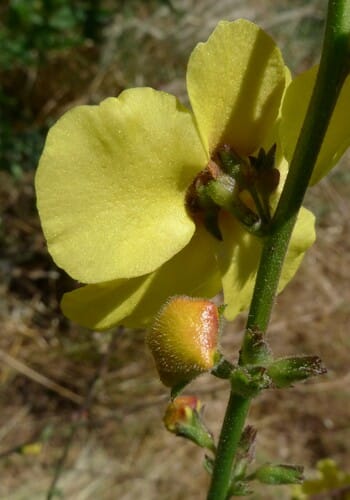
(c) Mario Klesczewski, some rights reserved (CC BY-NC)
What to Eat
Edible parts: Root, Roots - spice
The roots are peeled and crushed, then cooked in dishes or used as a spice.
Where to Find It
It is a Mediterranean climate plant.
Africa, Mediterranean, Morocco, North Africa,
How to Identify
An herb in the Scrophulariaceae family found in Mediterranean climates. The roots are the edible portion, peeled, crushed, and used as a spice in cooking.
Medicinal Uses
In some societies, the flower of certain species of mullein have been used to flavor alcoholic beverages. Other medicinal uses of the flower include a remedy for sore throat and cough, although its efficacy has yet to be scientifically proven. The leaves of certain species of mullein are applied to the skin for wounds, burns, and frostbite. The leaves are used topically to soften and protect the skin.
Wikipedia
Source ↗Verbascum sinuatum, commonly known as the scallop-leaved mullein, the wavyleaf mullein, or Candela regia, is a species of perennial herbaceous plants in the genus Verbascum (mullein), growing in heavy soils in Central Asia and the Mediterranean region. It grows to 1.2–1.5 m (3.9–4.9 ft). The plant has an erect inflorescence stem, and is entirely covered with stellate hairs (trichomes) which are not pleasant to the touch.
Names & Synonyms
Elmeslah, Msahander, Smahandar
References (1)
- Tbatou, M, et al, 2016, Wild Edible Plants traditionally used in the countryside of El Jadida, Coastal Area in the Center of Morocco. Life Sciences Leaflets 75:28-48