Disa fragrans
Schltr.
OrchidaceaeRoots
iNaturalist · cc0
no rights reserved
no rights reserved
iNaturalist · cc0
no rights reserved
no rights reserved
iNaturalist · cc0
no rights reserved
no rights reserved
What to Eat
Edible parts: Tubers, Root
The tubers and roots are edible.
Where to Find It
It is a tropical plant.
Africa, East Africa, Tanzania,
Countries: Angola, Burkina Faso, Burundi, Benin, Botswana, Congo (DRC), Central African Republic, Congo (Republic), Cote d'Ivoire, Cameroon, Cape Verde, Djibouti, Algeria, Egypt, Eritrea, Ethiopia, Gabon, Ghana, Gambia, Guinea, Equatorial Guinea, Guinea-Bissau, Kenya, Comoros, Liberia, Lesotho, Libya, Morocco, Madagascar, Mali, Mauritania, Mauritius, Malawi, Mozambique, Namibia, Niger, Nigeria, Rwanda, Seychelles, Sudan, Sierra Leone, Senegal, Somalia, South Sudan, Sao Tome & Principe, Eswatini, Chad, Togo, Tunisia, Tanzania, Uganda, South Africa, Zambia, Zimbabwe
How to Identify
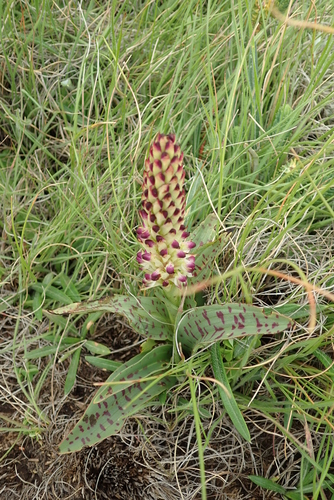
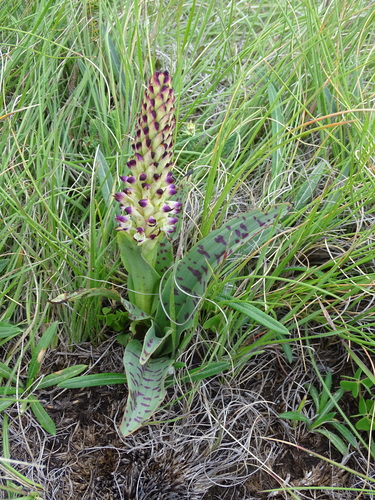
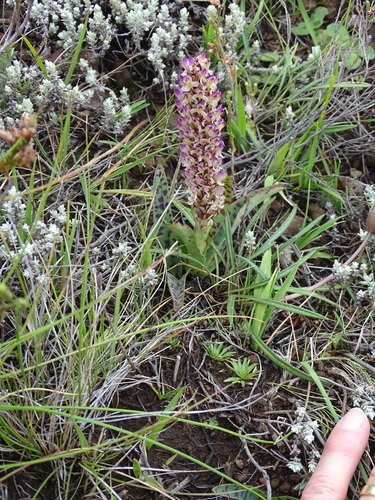
An orchid. It grows 50 cm tall. The flowers are white to pale lilac. The tubers are 2.5 cm long and 1 cm wide.
Wikipedia
Source ↗Disa fragrans, the fragrant disa, is a perennial plant and geophyte belonging to the genus Disa. The plant is native to the Democratic Republic of the Congo, Ethiopia, Kenya, Lesotho, Malawi, Mozambique, Rwanda, Sudan, Tanzania, Uganda and Zimbabwe. In South Africa, the plant occurs in KwaZulu-Natal, Limpopo, Eastern Cape and Mpumalanga. There are two subspecies: Disa fragrans subsp. deckenii (Rchb.f.) H.P.Linder Disa fragrans subsp. fragrans
Names & Synonyms
Disa leucostachys Kraenzl.and others
References (1)
- Nyomora, A. M. S., 2005, Distribution and Abundance of the Edible Orchids of the Southern Highlands of Tanzania. Tanz. J. Sci. Vol 31(1) p 47 (As Disa leucostachys)