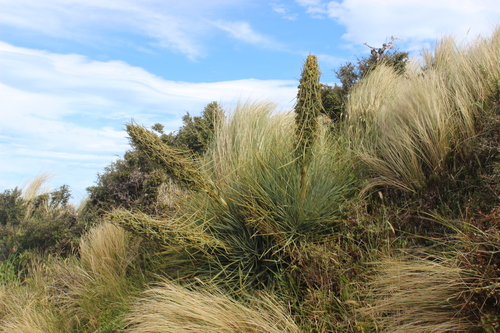
Sanicula astrantiifolia
H. Wolff ex Kretschmer
ApiaceaeLeaves

gbif · cc0
GBIF
GBIF

gbif · cc0
GBIF
GBIF

gbif · cc0
GBIF
GBIF
What to Eat
Edible parts: Leaves
The plant is stir fried and eaten.
Where to Find It
It is a tropical plant.
Asia, China,
Countries: United Arab Emirates, Afghanistan, Armenia, Azerbaijan, Bangladesh, Bahrain, Brunei, Bhutan, China, Georgia, Indonesia, Israel, India, Iraq, Iran, Jordan, Japan, Kyrgyzstan, Cambodia, North Korea, South Korea, Kuwait, Kazakhstan, Laos, Lebanon, Sri Lanka, Myanmar, Mongolia, Maldives, Malaysia, Nepal, Oman, Philippines, Pakistan, Qatar, Saudi Arabia, Singapore, Syria, Thailand, Tajikistan, Timor-Leste, Turkmenistan, Turkey, Taiwan, Uzbekistan, Vietnam, Yemen
How to Identify
A herb. It grows 20-70 cm tall. The taproot is short and stout. The stems are erect and divided 2-4 times. There are several leaves at the base. The leaf stalks are 5-16 cm long. The leaves are round or kidney shaped and 2-8 cm long by 3-14 cm wide. They are divided into 3 lobes. There are teeth around the edge. There are about 10 flowers in a flat topped group. The fruit is a flattened round shape with short bristles.
Production
In Yunnan it flowers and fruits in July to October.
Names & Synonyms
Xiao hei yao
Sanicula potaninii Bobrov
References (1)
- Luo, B., et al, 2019, Wild edible plants collected by Hani from terraced rice paddy agroecosystem in Honghe Prefecture, Yunnan, China. Journal of Ethnobiology and Ethnomedicine 15:56