Dendrocnide stimulans
(L.f.) Chew
Malay nettle tree
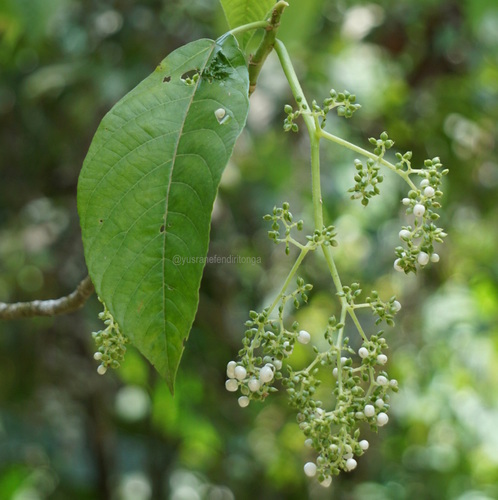
(c) Yusran E. Ritonga, some rights reserved (CC BY-NC), uploaded by Yusran E. Ritonga

(c) Wild Sumatra, some rights reserved (CC BY-NC)
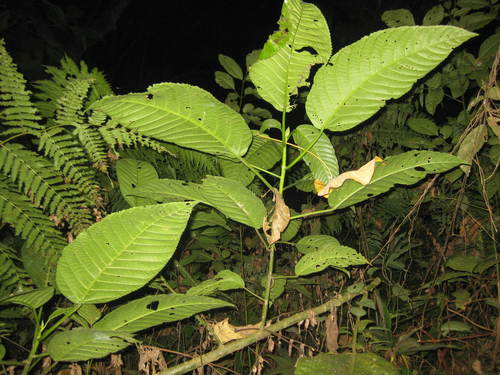
(c) Ganjar Cahyadi, some rights reserved (CC BY-NC)
What to Eat
Edible parts: Seeds
The seeds are edible.
Known Hazards
Where to Find It
It is a tropical plant.
Asia, China, Indonesia, SE Asia, Thailand,
How to Identify
A tropical shrub in the nettle family (Urticaceae), commonly known as the Malay nettle tree.
How to Grow
Plants in this genus are essentially lowland primary forest species preferring slightly moist and somewhat shady habitats. A dioecious species, both male and female forms need to be grown if fruit and seed are required.
Propagation: Seed - easy. Cuttings root easily - simply thrusting a branch into moist ground will usually result in it rooting.
Medicinal Uses
The sap is drunk to relieve a cough. A decoction of leaves and roots is drunk as an anthelmintic in case of a hard swollen stomach, constipation and yellow eyes. The leaves or roots are commonly used for poulticing..
Other Uses
The sap is occasionally used as a hair wash. The wood is very soft.
Names & Synonyms
Jelatang ruso
References (2)
- Hariyadi, B., 2008, The Entwined Tree: Traditional Natural Resource Management of Serampas, Jambi, Indonesia. Ph. D thesis. Univ. or Hawaii. p 402 (As Laportea stimulans)
- World Checklist of Useful Plant Species 2020. Royal Botanic Gardens, Kew


