Cyperus mitis
Steud.
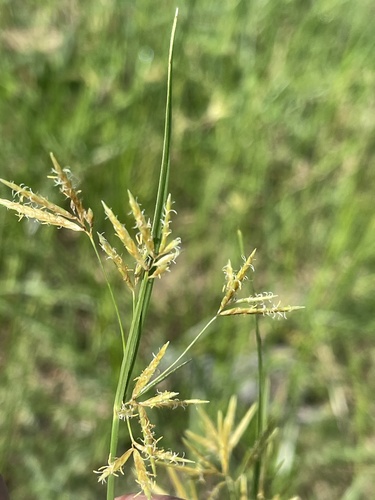
iNaturalist · cc-by-nc
(c) CliffChen, some rights reserved (CC BY-NC)
(c) CliffChen, some rights reserved (CC BY-NC)
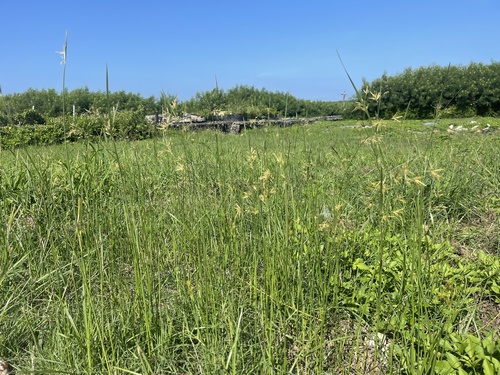
iNaturalist · cc-by-nc
(c) CliffChen, some rights reserved (CC BY-NC)
(c) CliffChen, some rights reserved (CC BY-NC)
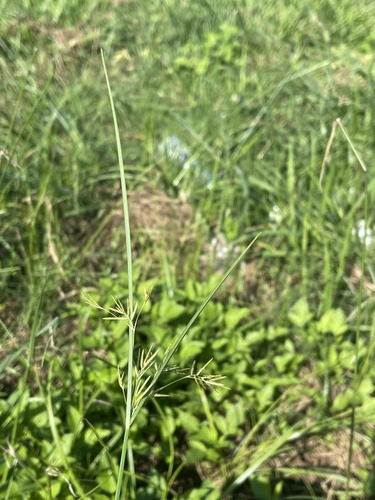
iNaturalist · cc-by-nc
(c) CliffChen, some rights reserved (CC BY-NC)
(c) CliffChen, some rights reserved (CC BY-NC)
Where to Find It
It is a tropical plant. In Yunnan in China it grows between 700-800 m above sea level.
Asia, China, India, Madagascar, Myanmar, Sri Lanka, Thailand,
Countries: United Arab Emirates, Afghanistan, Armenia, Azerbaijan, Bangladesh, Bahrain, Brunei, Bhutan, China, Georgia, Indonesia, Israel, India, Iraq, Iran, Jordan, Japan, Kyrgyzstan, Cambodia, North Korea, South Korea, Kuwait, Kazakhstan, Laos, Lebanon, Sri Lanka, Madagascar, Myanmar, Mongolia, Maldives, Malaysia, Nepal, Oman, Philippines, Pakistan, Qatar, Saudi Arabia, Singapore, Syria, Thailand, Tajikistan, Timor-Leste, Turkmenistan, Turkey, Taiwan, Uzbekistan, Vietnam, Yemen
How to Identify
A sedge. It has a creeping rhizome or underground stem. This can have tubers. The stems or culms are single and 40-50 cm tall. They are 3 sided. THey have 1 or 2 leaves. The leaves are 1-1.5 mm wide.
Wikipedia
Source ↗Cyperus mitis is a species of sedge that is native to Asia between India in the west to China in the east. The species was first formally described by the botanist Ernst Gottlieb von Steudel in 1855.
References (1)
- World Checklist of Useful Plant Species 2020. Royal Botanic Gardens, Kew
More from Cyperaceae

Actinoscirpus grossus
Giant bulrush, Greater club-rush

Actinoscirpus grossus var. kysoor
Amphiscirpus nevadensis
Nevada bulrush, Great basin bulrush

Bolboschoenus caldwellii
Sea club rush, Marsh club rush, Seaside bulrush

Bolboschoenus fluviatilis
Marsh club rush, River bulrush, Kukuraho, Purua grass

Bolboschoenus glaucus