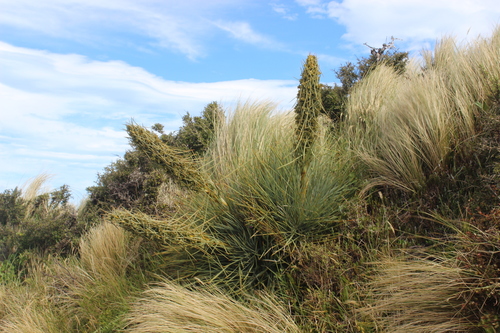
Tetrataenium grande
(Dalzell & A. Gibson) Manden.
Wild carrot

iNaturalist · cc0
no rights reserved, uploaded by S.MORE
no rights reserved, uploaded by S.MORE
iNaturalist · cc-by-nc
(c) Radha Veach, some rights reserved (CC BY-NC)
(c) Radha Veach, some rights reserved (CC BY-NC)
iNaturalist · cc-by-nc
(c) Radha Veach, some rights reserved (CC BY-NC)
(c) Radha Veach, some rights reserved (CC BY-NC)
What to Eat
Edible parts: Leaves, Roots, Seeds
The leaves, roots, and seeds are all edible portions of this plant.
Where to Find It
It is a tropical plant.
Asia, India, Iran,
Countries: United Arab Emirates, Afghanistan, Armenia, Azerbaijan, Bangladesh, Bahrain, Brunei, Bhutan, China, Georgia, Indonesia, Israel, India, Iraq, Iran, Jordan, Japan, Kyrgyzstan, Cambodia, North Korea, South Korea, Kuwait, Kazakhstan, Laos, Lebanon, Sri Lanka, Myanmar, Mongolia, Maldives, Malaysia, Nepal, Oman, Philippines, Pakistan, Qatar, Saudi Arabia, Singapore, Syria, Thailand, Tajikistan, Timor-Leste, Turkmenistan, Turkey, Taiwan, Uzbekistan, Vietnam, Yemen
How to Identify
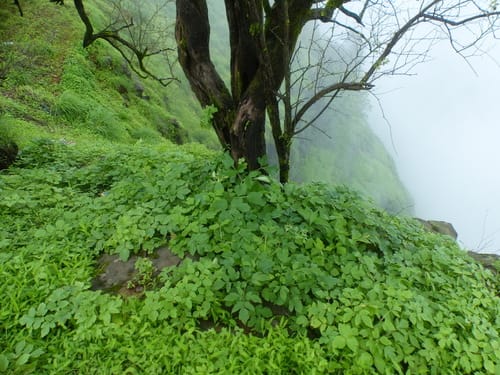
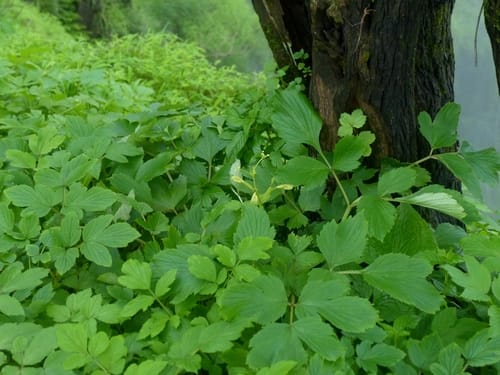
A herb. It can grow 1 m tall. It has large roots. The stem has a strong scent when crushed. The leaves are divided.
How to Grow
Plants can be grown by seed.
Notes
The name is ambiguous.
Names & Synonyms
Baaphali, Duku
Heracleum grande (Dalzell & A. Gibson) P. K. Mukhop.Pastinaca grandis Dalzell & A. GibsonPeucedanum grande (Dalzell & A. Gibson) C. B. Clarke
References (1)
- World Checklist of Useful Plant Species 2020. Royal Botanic Gardens, Kew