Cyphia bulbosa
(L.) P. J. Bergius
CampanulaceaeRoots
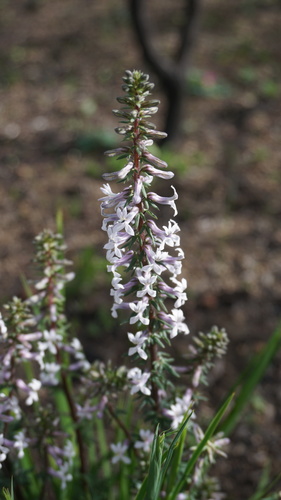
iNaturalist · cc-by-nc
(c) Lindsay Lewis, some rights reserved (CC BY-NC), uploaded by Lindsay Lewis
(c) Lindsay Lewis, some rights reserved (CC BY-NC), uploaded by Lindsay Lewis
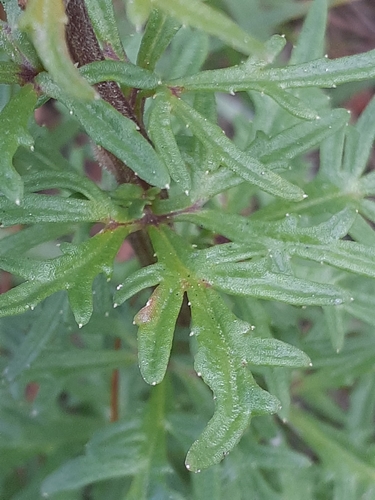
iNaturalist · cc-by-nc
(c) Johan October, some rights reserved (CC BY-NC)
(c) Johan October, some rights reserved (CC BY-NC)
What to Eat
Edible parts: Roots
The roots are eaten fresh as a snack and valued for their moisture content.
Where to Find It
It is a subtropical plant.
Africa, South Africa*, Southern Africa,
Countries: Angola, Burkina Faso, Burundi, Benin, Botswana, Congo (DRC), Central African Republic, Congo (Republic), Cote d'Ivoire, Cameroon, Cape Verde, Djibouti, Algeria, Egypt, Eritrea, Ethiopia, Gabon, Ghana, Gambia, Guinea, Equatorial Guinea, Guinea-Bissau, Kenya, Comoros, Liberia, Lesotho, Libya, Morocco, Madagascar, Mali, Mauritania, Mauritius, Malawi, Mozambique, Namibia, Niger, Nigeria, Rwanda, Seychelles, Sudan, Sierra Leone, Senegal, Somalia, South Sudan, Sao Tome & Principe, Eswatini, Chad, Togo, Tunisia, Tanzania, Uganda, South Africa, Zambia, Zimbabwe
How to Identify
A herb with a tuber. It grows 30 cm tall. The leaves are mostly near the base. They are divided. The flowers are in groups in the axils of leaves or at the ends of branches.
Wikipedia
Source ↗Cyphia bulbosa, also known by its common name Bulb Baroe, is a species of flowering plant from the genus Cyphia.
Names & Synonyms
Cyphia botrys Willd. ex Schult.Lobelia bulbosa L.
and several others
References (2)
- Ruiters-Welcome, A. K., 2019, Food plants of southern Africa. Ph.D. thesis. Univ. of Johannesburg p 72
- Welcome, A. K. & Van Wyk, B.-E., 2019, An inventory and analysis of the food plants of southern Africa. South African Journal of Botany 122 (2019) 136–179


