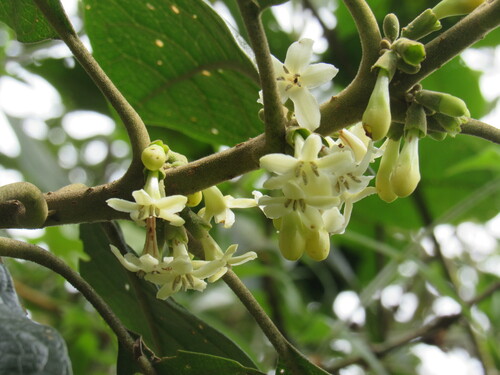
Ocimum minimum
L.
Bush Basil, Greek basil
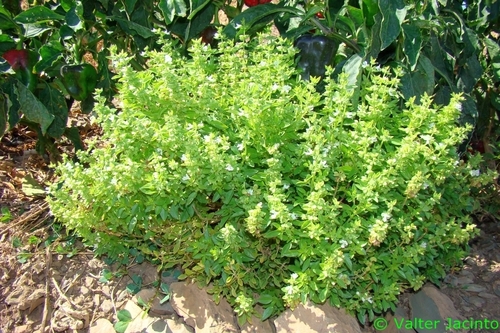
(c) Valter Jacinto | Portugal, some rights reserved (CC BY-NC-SA)
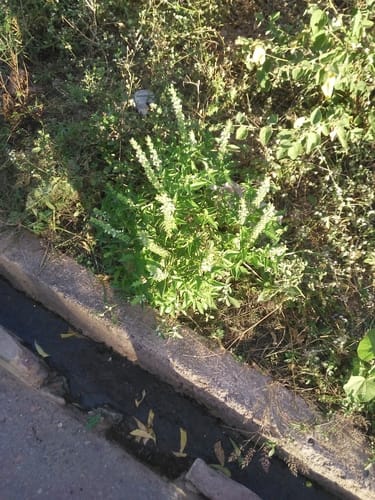
(c) Gabriel M. Rolim, some rights reserved (CC BY-NC)
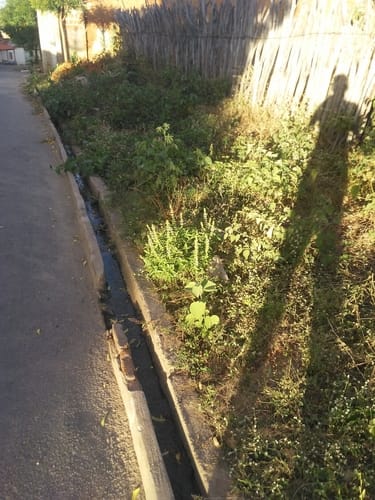
(c) Gabriel M. Rolim, some rights reserved (CC BY-NC)
What to Eat
Edible parts: Leaves, Flowers
The leaves and flowers can be eaten raw or cooked, used as a flavouring or as a spinach, particularly with tomato dishes, pasta sauces, beans, peppers, and aubergines. Leaves are normally used fresh but can be dried for winter use. They make a pleasant addition to salads and carry a delightful clove-like scent. A refreshing tea can be brewed from the leaves. The seed can be eaten on its own or added to bread dough as a flavouring. When soaked in water it becomes mucilaginous and can be made into a refreshing drink known as 'sherbet tokhum' in the Mediterranean. An essential oil from the plant is also used as a food flavouring in mustards, sauces, and vinegars.
Where to Find It
It is a subtropical plant.
Asia, Europe, India, Mediterranean, Portugal, Sri Lanka,
How to Identify
An annual herb growing to 0.3m tall, hardy to UK zone 10 and frost tender. It flowers August to September with seeds ripening in September. The hermaphrodite flowers are bee-pollinated. It thrives in light sandy or medium loamy, well-drained soils with mildly acidic to basic pH, requires full sun, and prefers moist soil.
How to Grow
Prefers a rich light well-drained to dry soil. Requires a sunny sheltered position if grown outdoors. Tolerates a pH in the range 5 - 8. Bush basil is commonly grown for its edible leaves in warm temperate and tropical climates. A perennial plant in the tropics, it is frost tender and is grown as a half-hardy annual in temperate zones. It is a very good plant to grow in the house or greenhouse, its aromatic foliage helps reduce problems caused by insect pests. It requires a good summer in Britain if it is to do well outdoors. This species is considered by some botanists to be no more than a form of O. basilicum. Bush basil is a good companion plant for tomatoes but it grows badly with rue and sage. When grown near raspberries it can retard their fruiting.
Propagation: Sow seed mid to late spring in a greenhouse, barely covering it. Germination is usually free and quick. Prick seedlings out into individual pots when large enough to handle. If growing outdoors, plant out after the last expected frosts.
Medicinal Uses
Bush basil has a milder action than sweet basil and is used mainly to treat flatulence and griping pain in the digestive system. The leaves and flowering tops are antispasmodic, aromatic, carminative, digestive, galactogogue, stomachic, and tonic. Taken internally, they are used in the treatment of feverish illnesses (especially colds and influenza), poor digestion, nausea, abdominal cramps, gastro-enteritis, migraine, insomnia, depression, and exhaustion. Externally, they are applied to treat acne, loss of smell, insect stings, snake bites, and skin infections. Leaves can be harvested throughout the growing season and used fresh or dried. The seed is said to remove film and opacity from the eyes. Plant extracts are bactericidal and effective against internal parasites. The seeds are said to cure warts. The essential oil is used in aromatherapy, with the keyword 'Clearing'.
Other Uses
An essential oil obtained from the whole plant is used as a food flavouring and in perfumery and dental applications. The flowering tops yield an average of 1.5% essential oil. Applied to the skin, the oil acts as an effective mosquito repellent. The growing or dried plant repels insects generally and is particularly useful in the home to deter flies or in the greenhouse to keep insect pests away from nearby plants. It has also been used historically as a strewing herb.
Wikipedia
Source ↗Ocimum minimum is a species of plant in the family Lamiaceae. It is sometimes referred to as bush basil in reference to the way this perennial grows.
Other Information
It is cultivated.
Names & Synonyms
Manjerico
References (2)
- Wiersema, J. H. & Leon, B., 2013, World Economic Plants. A Standard Reference CRC Press. 2nd Ed. p 472
- World Checklist of Useful Plant Species 2020. Royal Botanic Gardens, Kew