Caution — Parts of this plant may be toxic or require specific preparation. Verify with multiple sources before consuming.
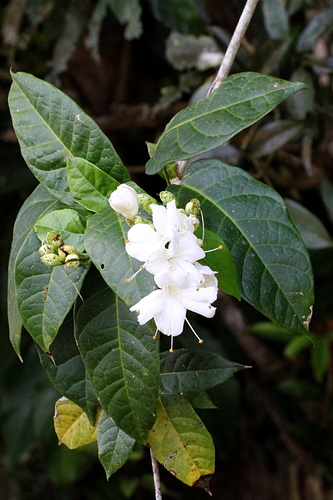
iNaturalist · cc-by-nc (c) Pete Woodall, some rights reserved (CC BY-NC), uploaded by Pete Woodall
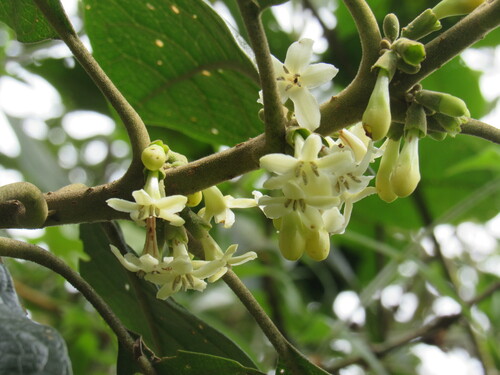
iNaturalist · cc-by-nc (c) Evert Materman, some rights reserved (CC BY-NC)
What to Eat
Edible parts: Fruit, Caution
The fruit is eaten, though caution is advised.
Known Hazards
Oxera splendida is grown as a decorative plant in gardens. Its flowers are attractive and have a pleasant fragrance. When provided with plenty of sunlight and water, the vine is hardy and grows vigorously.
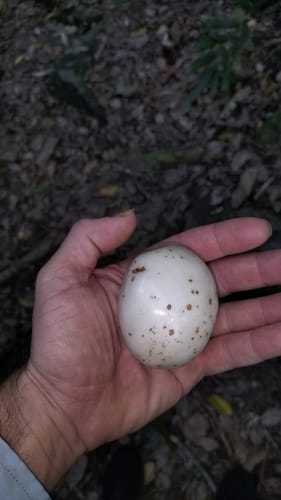
For the Australian Aboriginal Girramay clan, the Djungeen vine is one of the plants that provides a seasonal indicator to them — when the fruit falls to the ground in October, bush turkey nests will have eggs in them.
Another aboriginal use is to poison fish. The outer bark is removed and the middle layer of the bark is scraped off, then rubbed onto a hot stone. When the stone is thrown into a creek or small lagoon, all marine animals in the water are poisoned and death occurs within an hour. A sapotoxin is found in the leaves, stems and roots of the plant which is an effective fish poison. It will readily dissolve in water and is effective even in low concentrations.
Where to Find It
It is a tropical plant.
Asia, Australia, Indonesia, Papua New Guinea, PNG, SE Asia, Solomon Islands,
A woody vine. It twines around other plants. It can be 15 cm thick. The leaves are shiny green and 24 cm long by 13 cm wide. The leaf stalks are 8 cm long. The flowers are white and have a scent. They only last a short time. A flower is 4.5 cm across. The fruit is white and fleshy and 8 cm long by 5 cm wide. There is one large seed with a brown coating over it.
Oxera splendida is an evergreen vine in the family Lamiaceae which produces white, fragrant flowers and glossy white fruit. It naturally occurs in rainforests of tropical Asia and Australia and is often sighted along forest margins such as roads. Some common names include October glory, glory vine, potato vine and fragrant Faradaya. Australian indigenous names include Garanggal used in the Cairns area, Buku used in the Tully River area, Koie-yan used at Dunk Island and Djungeen used by the Girramay clan.
Names & Synonyms
World Checklist of Useful Plant Species 2020. Royal Botanic Gardens, Kew