Clematis pickeringii
A. Gray
Tropical clematis
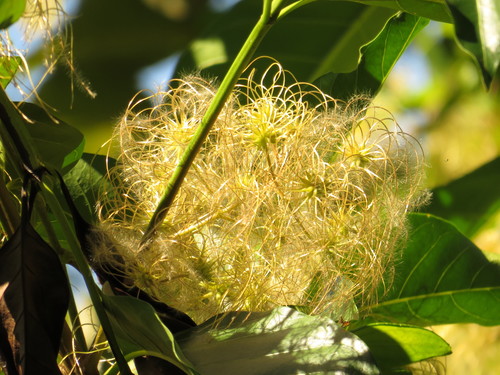
iNaturalist · cc-by
(c) coenobita, some rights reserved (CC BY), uploaded by coenobita
(c) coenobita, some rights reserved (CC BY), uploaded by coenobita
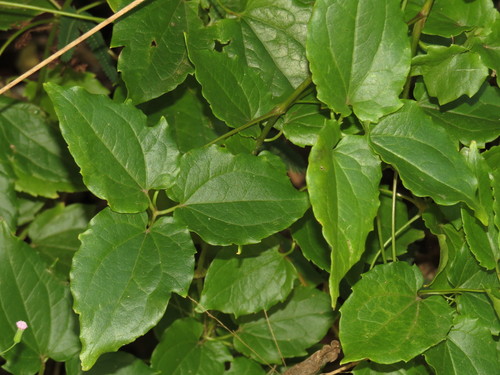
iNaturalist · cc-by
(c) coenobita, some rights reserved (CC BY), uploaded by coenobita
(c) coenobita, some rights reserved (CC BY), uploaded by coenobita

iNaturalist · cc-by-nc
(c) Liana, some rights reserved (CC BY-NC)
(c) Liana, some rights reserved (CC BY-NC)
What to Eat
Edible parts: Leaves chewed for pain, Medicine
Leaves are chewed for pain relief.
Known Hazards
Where to Find It
It is a tropical plant.
Asia, Australia, Fiji, Indonesia, New Caledonia, Pacific, Papua New Guinea, PNG, SE Asia,
Countries: United Arab Emirates, Afghanistan, Armenia, Australia, Azerbaijan, Bangladesh, Bahrain, Brunei, Bhutan, China, Fiji, Micronesia, Georgia, Indonesia, Israel, India, Iraq, Iran, Jordan, Japan, Kyrgyzstan, Cambodia, Kiribati, North Korea, South Korea, Kuwait, Kazakhstan, Laos, Lebanon, Sri Lanka, Marshall Islands, Myanmar, Mongolia, Maldives, Malaysia, New Caledonia, Nepal, Nauru, New Zealand, Oman, Papua New Guinea, Philippines, Pakistan, Palau, Qatar, Saudi Arabia, Solomon Islands, Singapore, Syria, Thailand, Tajikistan, Timor-Leste, Turkmenistan, Tonga, Turkey, Tuvalu, Taiwan, Uzbekistan, Vietnam, Vanuatu, Samoa, Yemen
How to Identify
A vine. It grows 5 m long. The stems can be 8 cm across. The leaves have leaflets. The leaves are 5-12.5 cm long by 2.5-7 cm wide. The flowers are cream. They are 12 mm across.
Names & Synonyms
Hubuk, Lelukawinga
Clematis aristata subsp. pickeringii (A. Gray) Kuntze
References (1)
- World Checklist of Useful Plant Species 2020. Royal Botanic Gardens, Kew


