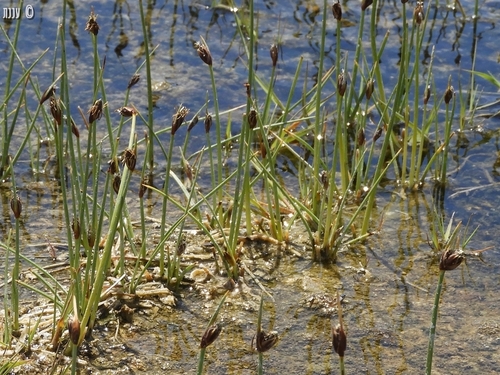
Cyperus aristatus
Rottb.
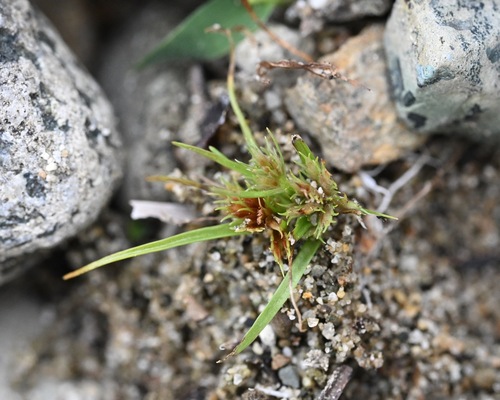
(c) Brian Starzomski, some rights reserved (CC BY-NC)
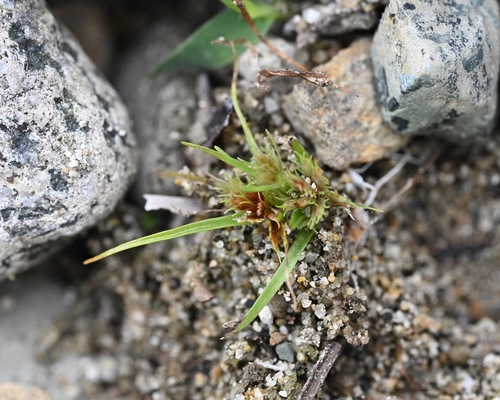
(c) Brian Starzomski, some rights reserved (CC BY-NC)
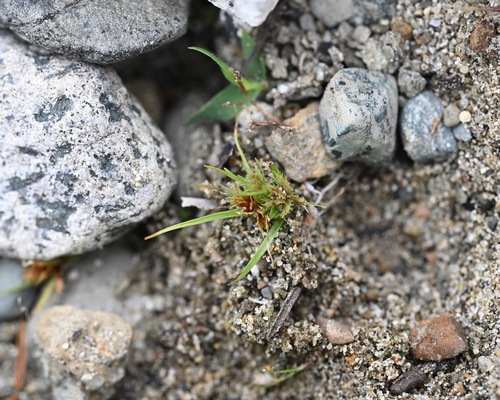
(c) Brian Starzomski, some rights reserved (CC BY-NC)
What to Eat
Edible parts: Root, Tuber
The underground tubers are the main edible part, eaten raw or cooked — they are starchy, firm, and nut-like, often compared to earth almonds. Roasting develops a nutty flavour, while boiling softens the texture and reduces any muddy or bitter undertones. The seeds (achenes) are also edible raw or boiled into a mush, providing additional calories, though they are less substantial than the tubers. Nutsedge roots and seeds were historically an important food source, sometimes cultivated, providing storable carbohydrates that could be dried or ground into meal. Because nutsedges often grow in wet or aquatic habitats, cooking is essential to eliminate possible pathogens.
Known Hazards
Where to Find It
It is a tropical plant. It grows along sandy plains near rivers.
Central America, Europe, Guatemala, Italy, Mediterranean, Mexico, North America, South America, USA, West Indies,
How to Identify
A perennial sedge reaching 0.5 m tall, hardy to UK zone 6. Hermaphroditic flowers are wind-pollinated, with seeds ripening July to August. Thrives in light sandy or medium loamy soils with mildly acid to basic pH. Requires full sun and prefers moist or wet conditions.
How to Grow
A dependable minor root crop for experienced foragers. Growing Conditions: Adapts to sandy or seasonally moist soils. Habitat & Range: Widespread across warmer regions of North America. Size & Landscape Performance: Compact and unobtrusive. Cultivation (Horticulture): Rarely grown intentionally. Pests & Problems: Generally resilient. Identification & Habit: Triangular stems with bearded-looking spikelets. Pollinators: Wind-pollinated. Propagation: Seeds and rhizomes. Plant Name: Bearded Nutsedge. Family: Cyperaceae. Genus: Cyperus. Common Names: Bearded flatsedge. USDA Hardiness Zones: Approximately 6–10. Height/Spread: 10–50 cm tall. Prefers a moist sandy loam. The dried plant is fragrant. The plant has a strong aroma of Aloe tincture. Bearded nutsedge grows in wet meadows, stream banks, and moist soils in the Southwest and across much of North America. It thrives in disturbed, damp sites. USDA Hardiness Zone: 5–10. Weed Potential: High. Several Cyperus species (especially C. rotundus and C. esculentus) are considered aggressive weeds in fields and gardens. Bearded nutsedge can also spread readily and is difficult to eradicate once established.
Propagation: Surface sow seed in spring and keep the compost moist; germination usually takes 2–6 weeks at 18°C. Prick seedlings into individual pots as soon as large enough to handle, grow through their first winter in a greenhouse, and plant out in late spring after the last expected frosts. Division in spring or autumn essentially involves harvesting tubers and replanting them; tubers lifted in autumn are best stored in a cool, frost-free place over winter and planted out in spring.
Medicinal Uses
None known
Other Uses
The leaves are used for weaving hats, matting, and similar items. Seeds support birds, and roots help stabilise soil.
Wikipedia
A perennial sedge reaching 0.5 m tall, hardy to UK zone 6. Hermaphroditic flowers are wind-pollinated, with seeds ripening July to August. Thrives in light sandy or medium loamy soils with mildly acid to basic pH. Requires full sun and prefers moist or wet conditions.
Notes
There are 550-600 Cyperus species. There are about 150 in tropical America.
Names & Synonyms
Chabxan
References (2)
- Plants for a Future database, The Field, Penpol, Lostwithiel, Cornwall, PL22 0NG, UK. http://www.scs.leeds.ac.uk/pfaf/
- Standley, P. & Steyermark, J., 1958, Flora of Guatemala. Fieldiana: Botany, Volume 24 part 1 p 118
More from Cyperaceae