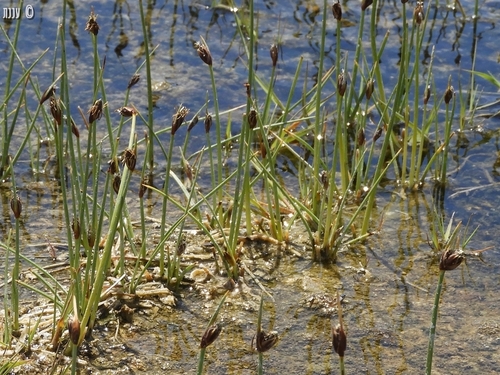
Cyperus jeminicus
Benth. ex Kunth.

iNaturalist · cc-by
(c) Nina Kerr, some rights reserved (CC BY)
(c) Nina Kerr, some rights reserved (CC BY)

iNaturalist · cc-by
(c) Nina Kerr, some rights reserved (CC BY)
(c) Nina Kerr, some rights reserved (CC BY)

iNaturalist · cc-by
(c) Nina Kerr, some rights reserved (CC BY)
(c) Nina Kerr, some rights reserved (CC BY)
What to Eat
Edible parts: Leaves, Tubers, Root
The leaves are eaten fresh. The tubers are ground into flour.
Where to Find It
It is a tropical plant.
Africa, Asia, Burkina Faso, India,
Countries: United Arab Emirates, Afghanistan, Armenia, Angola, Azerbaijan, Bangladesh, Burkina Faso, Bahrain, Burundi, Benin, Brunei, Bhutan, Botswana, Congo (DRC), Central African Republic, Congo (Republic), Cote d'Ivoire, Cameroon, China, Cape Verde, Djibouti, Algeria, Egypt, Eritrea, Ethiopia, Gabon, Georgia, Ghana, Gambia, Guinea, Equatorial Guinea, Guinea-Bissau, Indonesia, Israel, India, Iraq, Iran, Jordan, Japan, Kenya, Kyrgyzstan, Cambodia, Comoros, North Korea, South Korea, Kuwait, Kazakhstan, Laos, Lebanon, Sri Lanka, Liberia, Lesotho, Libya, Morocco, Madagascar, Mali, Myanmar, Mongolia, Mauritania, Mauritius, Maldives, Malawi, Malaysia, Mozambique, Namibia, Niger, Nigeria, Nepal, Oman, Philippines, Pakistan, Qatar, Rwanda, Saudi Arabia, Seychelles, Sudan, Singapore, Sierra Leone, Senegal, Somalia, South Sudan, Sao Tome & Principe, Syria, Eswatini, Chad, Togo, Thailand, Tajikistan, Timor-Leste, Turkmenistan, Tunisia, Turkey, Taiwan, Tanzania, Uganda, Uzbekistan, Vietnam, Yemen, South Africa, Zambia, Zimbabwe
How to Identify
A tropical sedge that grows in clumps with grass-like leaves and solid stalks. The leaves, tubers, and roots are all edible.
Wikipedia
Source ↗Cyperus jeminicus is a species of sedge that is native to parts of Africa, the Middle East and India. The species was first formally described by the botanist Christen Friis Rottbøll in 1773.
Notes
There are 550 Cyperus species. Naming uncertain - authority.
References (3)
- Lim, T. K., 2015, Edible Medicinal and Non Medicinal Plants. Volume 9, Modified Stems, Roots, Bulbs. Springer p 32
- Simpson, D. A. & Inglis, C. A., 2001, Cyperaceae of Economic, Ethnobotanical and Horticultural Importance: A checklist. Kew Bulletin Vol. 56, No. 2 (2001), pp. 257-360
- WATT,
More from Cyperaceae

Actinoscirpus grossus
Giant bulrush, Greater club-rush

Actinoscirpus grossus var. kysoor
Amphiscirpus nevadensis
Nevada bulrush, Great basin bulrush

Bolboschoenus caldwellii
Sea club rush, Marsh club rush, Seaside bulrush

Bolboschoenus fluviatilis
Marsh club rush, River bulrush, Kukuraho, Purua grass

Bolboschoenus glaucus