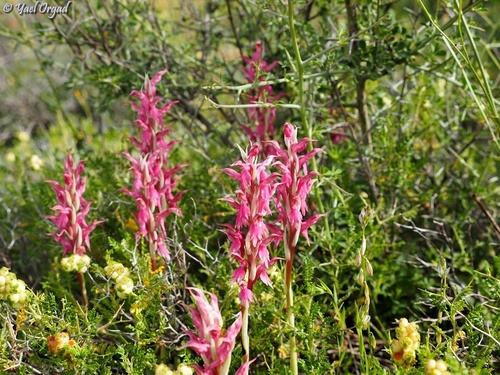
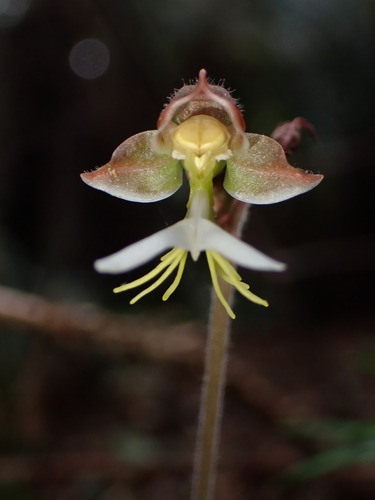
Cytherea bulbosa
(L.) House
Calypso
OrchidaceaeRoots
iNaturalist · cc-by-nc
(c) stellaginella, some rights reserved (CC BY-NC)
(c) stellaginella, some rights reserved (CC BY-NC)
iNaturalist · cc-by-nc
(c) stellaginella, some rights reserved (CC BY-NC)
(c) stellaginella, some rights reserved (CC BY-NC)
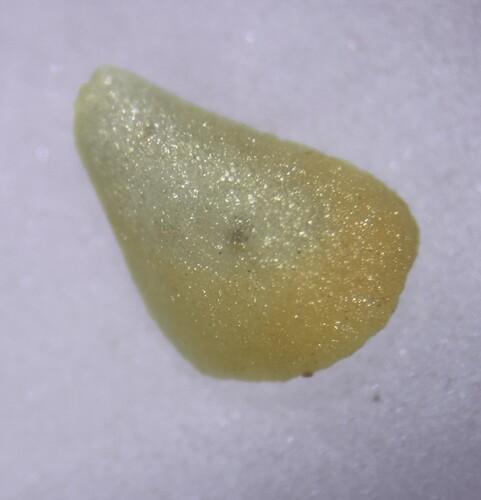
iNaturalist · cc-by-nc
(c) stellaginella, some rights reserved (CC BY-NC)
(c) stellaginella, some rights reserved (CC BY-NC)
What to Eat
Edible parts: Bulbs
Attempts at garden cultivation are not successful and transplanting usually will kill plants. The structure of the corms suggest that the species is dependent on mycorrhizal relationships with soil funguses that are lost during transplantation. The corms have been used as a food source by North American native peoples. The Nlaka'pamux of British Columbia used it as a treatment for mild epilepsy.
Where to Find It
It is a temperate plant.
Alaska, North America, USA,
Countries: Antigua & Barbuda, Barbados, Bahamas, Belize, Canada, Costa Rica, Cuba, Dominica, Dominican Republic, Grenada, Guatemala, Honduras, Haiti, Jamaica, St Kitts & Nevis, St Lucia, Mexico, Nicaragua, Panama, Puerto Rico, El Salvador, Trinidad & Tobago, United States, St Vincent
How to Identify
Calypso is a temperate orchid with edible bulbs. It belongs to the Orchidaceae family and grows in temperate regions.
References (1)
- Beckstrom-Sternberg, Stephen M., and James A. Duke. "The Foodplant Database." http://probe.nalusda.gov:8300/cgi-bin/browse/foodplantdb.(ACEDB version 4.0 - data version July 1994)