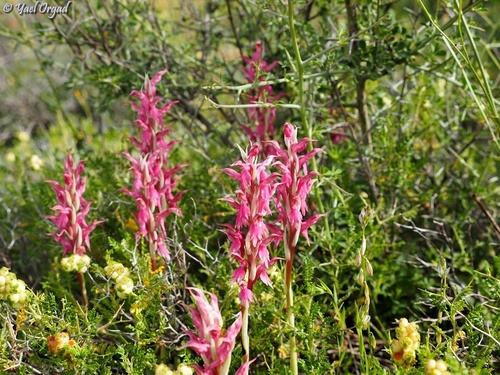
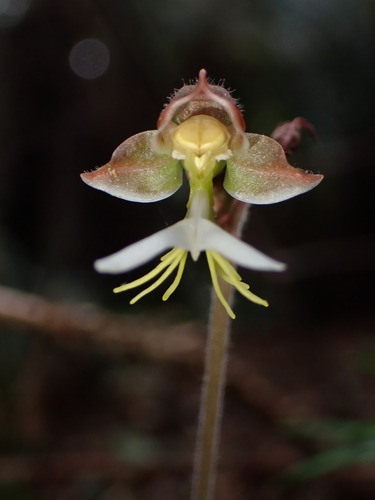
Disa sp.
Chinaka, Chikande
OrchidaceaeRoots

wikimedia · cc-by-sa
Wikimedia Commons - MilborneOne
Wikimedia Commons - MilborneOne

wikimedia · cc-by-sa
Wikimedia Commons - Brahim Nura
Wikimedia Commons - Brahim Nura
What to Eat
Edible parts: Tubers, Root
The tubers are washed, pounded, and the skin removed, then dried in the sun and repounded. They are subsequently boiled in water and dried again, then boiled with salt and eaten.
Where to Find It
A tropical plant.
Africa, East Africa, Malawi,
Countries: Angola, Burkina Faso, Burundi, Benin, Botswana, Congo (DRC), Central African Republic, Congo (Republic), Cote d'Ivoire, Cameroon, Cape Verde, Djibouti, Algeria, Egypt, Eritrea, Ethiopia, Gabon, Ghana, Gambia, Guinea, Equatorial Guinea, Guinea-Bissau, Kenya, Comoros, Liberia, Lesotho, Libya, Morocco, Madagascar, Mali, Mauritania, Mauritius, Malawi, Mozambique, Namibia, Niger, Nigeria, Rwanda, Seychelles, Sudan, Sierra Leone, Senegal, Somalia, South Sudan, Sao Tome & Principe, Eswatini, Chad, Togo, Tunisia, Tanzania, Uganda, South Africa, Zambia, Zimbabwe
How to Identify
A tropical ground orchid in the Orchidaceae family that forms underground tubers. About 125 species are found in Central and Southern Africa.
Notes
There are about 125 Disa species in Central and Southern Africa.
References (4)
- Jardin, C., 1970, List of Foods Used In Africa, FAO Nutrition Information Document Series No 2.p 75
- Peters, C. R., O'Brien, E. M., and Drummond, R.B., 1992, Edible Wild plants of Sub-saharan Africa. Kew. p 36
- Marinelli, J. (Ed), 2004, Plant. DK. p 400 (Genus)
- Williamson, J., 2005, Useful Plants of Malawi. 3rd. Edition. Mdadzi Book Trust. p 100