Aesculus spp
Various
Horse chestnut

GBIF

Mark

Jordan Collins
What to Eat
Edible parts: Seed
The roasted seed is used as a coffee substitute. Seed - cooked. It can be dried, ground into a powder and used as a gruel. The seed is quite large, about 3cm in diameter, and is easily harvested. It is usually produced in abundance in Britain. Unfortunately the seed is also rich in saponins, these must be removed before it can be used as a food and this process also removes many of the minerals and vitamins, leaving behind mainly starch. See also the notes above on toxicity. The seed contains up to 40% water, 8 - 11% protein and 8 - 26% toxic saponins. The following notes apply to A. californica, but are probably also relevant here:- The seed needs to be leached of toxins before it becomes safe to eat - the Indians would do this by slow-roasting the nuts (which would have rendered the saponins harmless) and then cutting them into thin slices, putting them into a cloth bag and rinsing them in a stream for 2 - 5 days.
Known Hazards
Where to Find It
N. Temperate.
Coming Soon
How to Identify
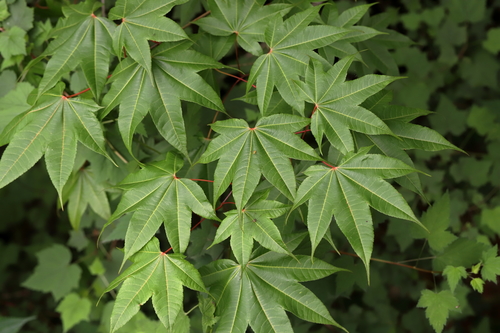
Aesculus spp is a deciduous Tree growing to 30 m (98ft) by 25 m (82ft) at a fast rate. See above for USDA hardiness. It is hardy to UK zone 4. Suitable for: light (sandy), medium (loamy) and heavy (clay) soils, prefers well-drained soil and can grow in heavy clay and nutritionally poor soils. Suitable pH: mildly acid, neutral and basic (mildly alkaline) soils. It can grow in semi-shade (light woodland) or no shade. It prefers dry or moist soil. The plant can tolerates strong winds but not maritime exposure. It can tolerate atmospheric pollution.
How to Grow
Hypothetical Crop Industrial Crop: Medicinal Industrial Crop: Starch Management: Standard. Climate: cold to warm temperate, Mediterranean.Humidity: semi-arid to humid. Prefers a deep loamy well-drained soil but is not too fussy tolerating poorer drier soils. Tolerates exposed positions and atmospheric pollution. A very ornamental and fast-growing tree, it succeeds in most areas of Britain but grows best in eastern and south-eastern England. Trees are very hardy when dormant, but the young growth in spring can be damaged by late frosts. The flowers have a delicate honey-like perfume. Trees are tolerant of drastic cutting back and can be severely lopped. They are prone to suddenly losing old heavy branches. The tree comes into bearing within 20 years from seed. Most members of this genus transplant easily, even when fairly large. Carbon Farming Solutions - Cultivation: hypothetical. Management: standard (Describes the non-destructive management systems that are used in cultivation).
Propagation: Seed - best sown outdoors or in a cold frame as soon as it is ripe. The seed germinates almost immediately and must be given protection from severe weather. The seed has a very limited viability and must not be allowed to dry out. Stored seed should be soaked for 24 hours prior to sowing and even after this may still not be viable. It is best to sow the seed with its 'scar' downwards. If sowing the seed in a cold frame, pot up the seedlings in early spring and plant them out into their permanent positions in the summer.
Medicinal Uses
Various medicinal qualities depending on the species. They include: Alterative; Analgesic; Antiinflammatory; Antirheumatic; Astringent; Bach; Diuretic; Expectorant; Febrifuge; Haemostatic; Narcotic; Tonic; Vasoconstrictor; Vulnerary.
Other Uses
Saponins in the seed are used as a soap substitute. The saponins can be easily obtained by chopping the seed into small pieces and infusing them in hot water. This water can then be used for washing the body, clothes etc. Its main drawback is a lingering odour of horse chestnuts. The seed contains variable amounts of saponins, up to a maximum of 10%. A starch obtained from the seed is used in laundering. The bark and other parts of the plant contain tannin, but the quantities are not given. A yellow dye is obtained from the bark. The flowers contain the dyestuff quercetin. Wood - soft, light, not durable. Of little commercial value, it is used for furniture, boxes, charcoal. Carbon Farming Solutions - Industrial Crop: starch, medicinal (Crops grown for non-food uses. Industrial crops provide resources in three main categories: materials, chemicals, and energy. Traditional materials include lumber and thatch, paper and cardboard, and textiles).
Names & Synonyms
Aesculus species. Varieties called buckeye and horse chestnut