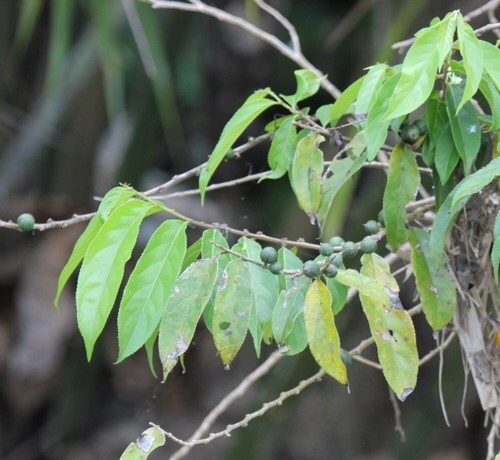
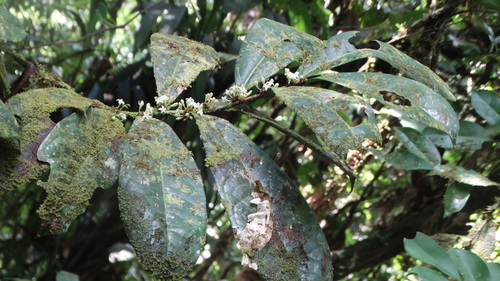
Populus hybrids
Various
Hybrid poplar
What to Eat
Edible parts: Inner bark Leaves Seed
Tea. Leaves are rich in protein and have a greater amino-acid content than wheat, corn, rice and barley. Carbon Farming Solutions - Staple Crop: protein (The term staple crop typically refers to a food that is eaten routinely and accounts for a dominant part of people's diets in a particular region of the world).
Known Hazards
Where to Find It
Origin: N. Temperate. Widely distributed throughout the northern temperate regions, ranging from North America through Eurasia and northern Africa.
Coming Soon
How to Identify
Populus hybrids is a TREE growing to 50 m (164ft) by 30 m (98ft) at a fast rate. See above for USDA hardiness. It is hardy to UK zone 3. The flowers are pollinated by Wind. It is noted for attracting wildlife. Suitable for: light (sandy), medium (loamy) and heavy (clay) soils and prefers well-drained soil. Suitable pH: mildly acid, neutral and basic (mildly alkaline) soils and can grow in very acid, very alkaline and saline soils. It can grow in semi-shade (light woodland) or no shade. It prefers dry or moist soil.
How to Grow
Native to much of the northern temerate region and thrive from boreal through warm temperate climates as well as tropical highlands. Some are adapted to semi-arid sites although most prefer humid conditions. Carbon Farming Solutions - Cultivation: global crop. Management: standard, coppice (Describes the non-destructive management systems that are used in cultivation).
Propagation: Seed. Cuttings
Medicinal Uses
Antiinflammatory Antirheumatic Antiscorbutic Antiseptic Antitussive Cathartic Diuretic Expectorant Febrifuge Ophthalmic Skin Stimulant Tonic. Some. See individual species. For example Balsam poplar has a long history of medicinal use. It was valued by several native North American Indian tribes who used it to treat a variety of complaints, but especially to treat skin problems and lung ailments. In modern herbalism it is valued as an expectorant and antiseptic tonic. The leaf buds are antiscorbutic, antiseptic, diuretic, expectorant, stimulant, tonic. The leaf buds are covered with a resinous sap that has a strong turpentine odour and a bitter taste.They are boiled in order to separate the resin and the resin is then dissolved in alcohol. The resin is a folk remedy, used as a salve and wash for sores, rheumatism, wounds etc. It is made into a tea and used as a wash for sprains, inflammation, muscle pains etc. Internally, the tea is used in the treatment of lung ailments and coughs. The buds can also be put in hot water and used as an inhalant to relieve congested nasal passages. The bark is cathartic and tonic. Although no specific mention has been seen for this species, the bark of most, if not all members of the genus contain salicin, a glycoside that probably decomposes into salicylic acid (aspirin) in the body. The bark is therefore anodyne, anti-inflammatory and febrifuge. It is used especially in treating rheumatism and fevers, and also to relieve the pain of menstrual cramps. A tea made from the inner bark is used as an eye wash and in the treatment of scurvy.
Other Uses
Biomass Fodder Plant support Resin Shelterbelt. Like willows (Salix spp.), their close relatives, poplars are known for fast growth and rapid biomass accumulation. Most coppice well and are easy to propagate from cuttings. Carbon Farming Solutions - Industrial Crop: biomass (Crops grown for non-food uses. Industrial crops provide resources in three main categories: materials, chemicals, and energy. Traditional materials include lumber and thatch, paper and cardboard, and textiles). Agroforestry Services: windbreak, living trellis (Agroforestry is a land use management system in which trees or shrubs are grown around or among crops or pastureland). Fodder: bank. Other Systems: SRC, irreg. intercrop, strip intercrop. Commonly grown as windbreaks. Intercropped with annuals across northern China. In Italy they are pruned to be living trellises for grape growth.
Names & Synonyms
Aspen, Poplar, Cottonwoods