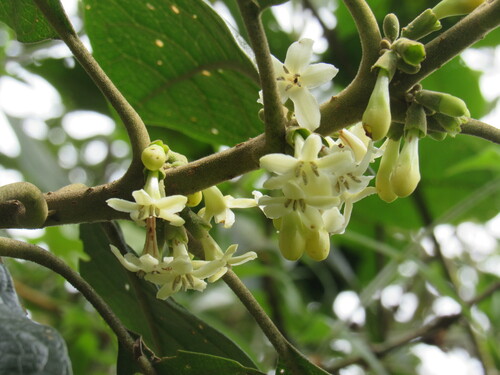
Leonurus sibiricus
L.
Chinese Motherwort, Honeyweed

(c) gra-moll, some rights reserved (CC BY-NC)

(c) José Andrés Cruz Martínez, some rights reserved (CC BY-NC), uploaded by José Andrés Cruz Martínez

(c) Pyak Andrei, some rights reserved (CC BY-NC), uploaded by Pyak Andrei
What to Eat
Edible parts: Leaves, Root, Shoots
Young shoots - cooked. A sweetish flavour. Root - cooked with other foods. This probably means that it is used as a flavouring.
Known Hazards
Where to Find It
E. Asia - China, Japan, Korea, Siberia.
TEMPERATE ASIA: Russian Federation-Eastern Siberia (Eastern Siberia (Dauria)), Russian Federation (Altay), Mongolia, China (Hebei Sheng, Nei Mongol Zizhiqu, Shaanxi Sheng, Shanxi Sheng)
How to Identify
Leonurus sibiricus is a ANNUAL/BIENNIAL growing to 1 m (3ft 3in) by 0.6 m (2ft). See above for USDA hardiness. It is hardy to UK zone 6. It is in flower from July to September, and the seeds ripen in September. The species is hermaphrodite (has both male and female organs) and is pollinated by Bees. Suitable for: light (sandy), medium (loamy) and heavy (clay) soils. Suitable pH: mildly acid, neutral and basic (mildly alkaline) soils. It can grow in semi-shade (light woodland) or no shade. It prefers moist soil.
How to Grow
Prefers a well-drained moist soil in sun or partial shade. Prefers a poor soil. Plants are hardy to at least -15°c. There is some confusion over the correct name for this species, it should quite probably be called L. japonicus.
Propagation: Seed - sow late spring in a cold frame. When they are large enough to handle, prick the seedlings out into individual pots and plant them out in the summer.
Medicinal Uses
Antibacterial Antispasmodic Astringent Cardiac Depurative Diaphoretic Diuretic Eczema Emmenagogue Hypnotic Nervine Oxytoxic Stimulant Stomachic Tonic. Chinese motherwort is unusual amongst Chinese herbs in that it is often prescribed for use on its own and not in a mixture with other plants. The whole plant is antibacterial, antispasmodic, astringent, cardiac, depurative, diaphoretic, diuretic, emmenagogue, hypnotic, nervine, oxytocic, stomachic, tonic, uterine stimulant[4, 9, 21, 46, 165, 174, 178, 192, 279]. The seeds have a similar action to the plant, but are a less effective diuretic and depurative. The plant is used in the treatment of painful and excessive menstruation, post-partum bleeding, oedema, kidney complaints, kidney stones, eczema and abscesses. A tincture is used in the treatment of rheumatic fever. The plant stimulates uterine contractions and should not therefore be used when in the earlier stages of pregnancy. The plant is harvested when in flower but before the seeds have set, and is dried for later use. The plant contains about 0.05% of an alkaloid called leonurine. This has a curare-like effect on the motor-endings of the nervous system, acting in small doses as a stimulant to the respiratory system but in large doses causing respiratory paralysis.
Other Uses
Essential. Yields an essential oil. No more details are given.