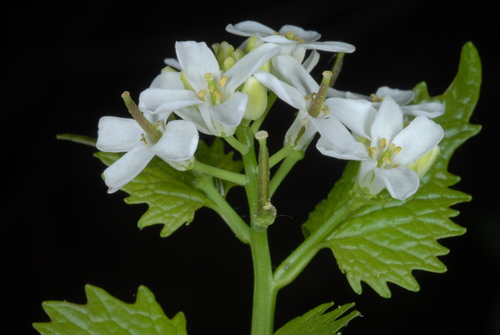
Cardamine loxostemonoides
O.Schulz.
Cuckoo Flower

(c) @断肠人在刷牙/郑海磊, some rights reserved (CC BY-NC), uploaded by @断肠人在刷牙/郑海磊

(c) Karen Andrea Boehme, some rights reserved (CC BY-NC), uploaded by Karen Andrea Boehme

(c) Petra Urbanek, some rights reserved (CC BY-NC), uploaded by Petra Urbanek
What to Eat
Edible parts: Leaves, Shoots
Tender young shoots and leaves - cooked as a vegetable.
Where to Find It
E. Asia - Himalayas from India to China and Tibet.
Coming Soon
How to Identify
Cardamine loxostemonoides is a ANNUAL growing to 0.3 m (1ft). The species is hermaphrodite (has both male and female organs) and is pollinated by Bees, flies, Lepidoptera (Moths & Butterflies). Suitable for: light (sandy), medium (loamy) and heavy (clay) soils. Suitable pH: mildly acid, neutral and basic (mildly alkaline) soils. It can grow in semi-shade (light woodland) or no shade. It prefers moist soil.
How to Grow
We have very little information on this species and do not know if it will be hardy in Britain, though judging by its native range it should succeed outdoors in most parts of this country. The following notes are based on the general needs of the genus. Prefers a moist humus rich soil in shade or semi-shade but succeeds in most soils that are not dry.
Propagation: Seed - sow spring or autumn in situ.