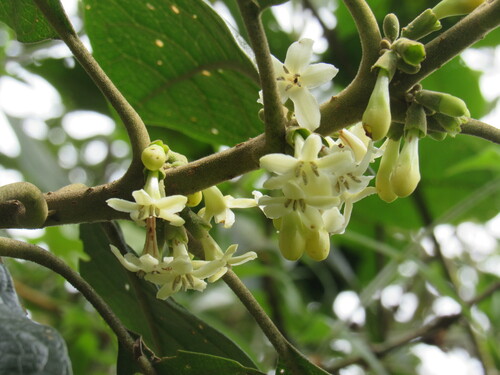
Leonurus macranthus
Maxim.

(c) onidiras-iNaturalist, some rights reserved (CC BY-NC), uploaded by onidiras-iNaturalist

(c) onidiras-iNaturalist, some rights reserved (CC BY-NC), uploaded by onidiras-iNaturalist

(c) onidiras-iNaturalist, some rights reserved (CC BY-NC), uploaded by onidiras-iNaturalist
What to Eat
Edible parts: Leaves, Shoots
Shoots - cooked.
Where to Find It
E. Asia - China, Japan, Korea, Manchuria.
Coming Soon
How to Identify
Leonurus macranthus is a PERENNIAL growing to 1 m (3ft 3in). It is in flower from July to September, and the seeds ripen from September to October. The species is hermaphrodite (has both male and female organs) and is pollinated by Bees. Suitable for: light (sandy), medium (loamy) and heavy (clay) soils. Suitable pH: mildly acid, neutral and basic (mildly alkaline) soils. It can grow in semi-shade (light woodland) or no shade. It prefers moist soil.
How to Grow
We have almost no information on this species and do not know if it will be hardy in this country, though judging by its native range it should succeed outdoors in most parts of the country. The following notes are based on the general needs of the genus. Succeeds in most soils. Prefers a poor soil.
Propagation: Seed - sow spring in a cold frame. Prick out the seedlings into individual pots when they are large enough to handle and plant them out in the summer. If you have sufficient seed then it can be sown in an outdoor seedbed, or even in situ. Division in spring or autumn. Larger clumps can be replanted direct into their permanent positions, though it is best to pot up smaller clumps and grow them on in a cold frame until they are rooting well. Plant them out in the spring.
Medicinal Uses
Blood tonic Tonic Women's complaints. The plant is a blood tonic and is used in the treatment of women's complaints, especially post-partum difficulties.