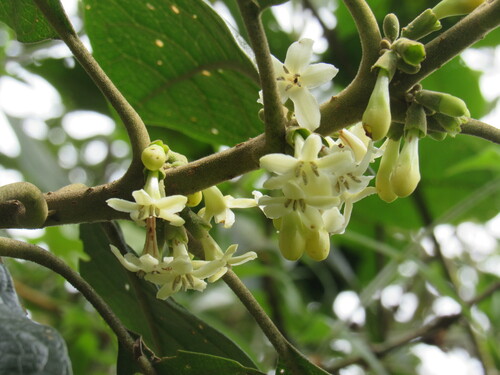
Phlomis lychnitis
L.
Lamwick Plant

(c) knnvbartheijne, some rights reserved (CC BY-NC)

(c) José María Escolano, some rights reserved (CC BY-NC-SA)

(c) Ángel Fernández Cancio, some rights reserved (CC BY-NC), uploaded by Ángel Fernández Cancio
What to Eat
Condiment. The plant is sometimes used to adulterate sage, Salvia officinale.
Where to Find It
S.W. Europe.
EUROPE: Spain, France, Portugal
How to Identify
Phlomis lychnitis is a deciduous Shrub growing to 0.5 m (1ft 8in). See above for USDA hardiness. It is hardy to UK zone 8. It is in flower from June to August. The species is hermaphrodite (has both male and female organs) and is pollinated by Insects. Suitable for: light (sandy), medium (loamy) and heavy (clay) soils and prefers well-drained soil. Suitable pH: mildly acid, neutral and basic (mildly alkaline) soils. It cannot grow in the shade. It prefers dry or moist soil.
How to Grow
Requires a well-drained dry soil in full sun with shelter from cold winds. Plants are hardy to about -10°c. The plant spreads by means of underground suckers. Plants in this genus are notably resistant to honey fungus.
Propagation: Seed - sow spring in a greenhouse and only just cover the seed. Germinates quickly. When they are large enough to handle, prick the seedlings out into individual pots and grow them on in the greenhouse for their first winter. Plant them out into their permanent positions in late spring or early summer, after the last expected frosts. Division in spring or autumn.