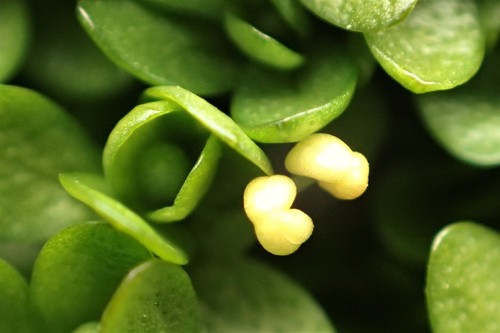
Plantago affra
L.
Psyllium

Anatole Maugendre

Anatole Maugendre

Anatole Maugendre
What to Eat
Edible parts: Leaves
Young leaves - raw or cooked.
Where to Find It
S. Europe - Mediterranean.
Coming Soon
How to Identify
Plantago affra is a ANNUAL growing to 0.6 m (2ft) by 0.2 m (0ft 8in). It is in leaf from May to October. The species is hermaphrodite (has both male and female organs) and is pollinated by Wind. The plant is self-fertile. Suitable for: light (sandy), medium (loamy) and heavy (clay) soils and prefers well-drained soil. Suitable pH: mildly acid, neutral and basic (mildly alkaline) soils. It cannot grow in the shade. It prefers dry or moist soil.
How to Grow
Succeeds in any moderately fertile soil in a sunny position. This species is closely related to P. arenaria.
Propagation: Seed - sow spring in a cold frame. When they are large enough to handle, prick the seedlings out into individual pots and plant them out in early summer A sowing can be made outdoors in situ in mid to late spring if you have enough seeds.
Medicinal Uses
Antidiarrhoeal Laxative. Plantain seeds contain up to 30% mucilage which swells up in the gut, acting as a bulk laxative and soothing irritated membranes. Sometimes the seed husks are used without the seeds.