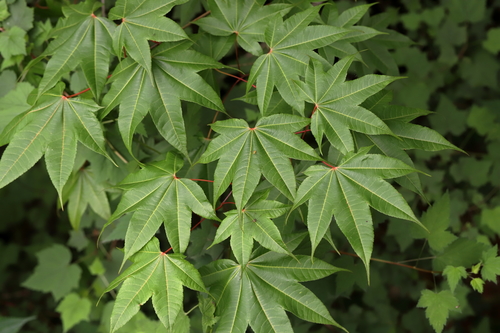
Dimocarpus didyma
(Blanco)
Alpag, Alupag Tag
SapindaceaeFruit

wikimedia · cc-by-sa
Wikimedia Commons - JDipterocarpus
Wikimedia Commons - JDipterocarpus

wikimedia · cc-by-sa
Wikimedia Commons - JDipterocarpus
Wikimedia Commons - JDipterocarpus
What to Eat
Edible parts: Fruit
The fleshy portion of the fruit is eaten raw.
Where to Find It
A tropical plant. They are very common and widely distributed throughout the Philippines in hill forests at low and medium altitudes up to 1500 m.
Asia, Indonesia, Pacific, Philippines, SE Asia,
Countries: United Arab Emirates, Afghanistan, Armenia, Australia, Azerbaijan, Bangladesh, Bahrain, Brunei, Bhutan, China, Fiji, Micronesia, Georgia, Indonesia, Israel, India, Iraq, Iran, Jordan, Japan, Kyrgyzstan, Cambodia, Kiribati, North Korea, South Korea, Kuwait, Kazakhstan, Laos, Lebanon, Sri Lanka, Marshall Islands, Myanmar, Mongolia, Maldives, Malaysia, Nepal, Nauru, New Zealand, Oman, Papua New Guinea, Philippines, Pakistan, Palau, Qatar, Saudi Arabia, Solomon Islands, Singapore, Syria, Thailand, Tajikistan, Timor-Leste, Turkmenistan, Tonga, Turkey, Tuvalu, Taiwan, Uzbekistan, Vietnam, Vanuatu, Samoa, Yemen
How to Identify
A medium sized tree. It grows 18-28 m tall. The leaves are alternate and compound. The flowers are small and whitish or yellow. They are borne on simple or compound flower arrangements. The fruit is greenish and about 2.5 cm across. They are like a litchi. A thin fairly soft covering separates the fruit from the pulp.
How to Grow
Plants are grown from fresh seeds. It can be grafted into longan.
Names & Synonyms
Euphoria didyma Blanco
References (5)
- Altschul, S.V.R., 1973, Drugs and Foods from Little-known Plants. Notes in Harvard University Herbaria. Harvard Univ. Press. Massachusetts. no. 2594 (As Euphoria didyma)
- Brown, W.H., 1920, Wild Food Plants of the Philippines. Bureau of Forestry Bulletin No. 21 Manila. p 100 (As Euphoria didyma)
- Coronel, R.E., 1982, Fruit Collections in the Philippines. IBPGR Newsletter p 6 (As Euphoria didyma)
- Monsalud, M.R., Tongacan, A.L., Lopez, F.R., & Lagrimas, M.Q., 1966, Edible Wild Plants in Philippine Forests. Philippine Journal of Science. p 540 (As Euphoria didyma)
- www.tradewindsfruit.com