Euphrasia officinalis
L.
Eyebright
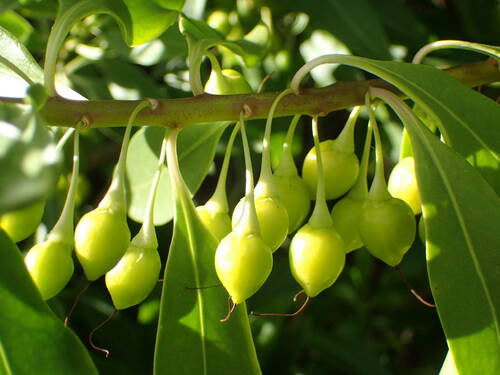
(c) Наталья, some rights reserved (CC BY-NC), uploaded by Наталья

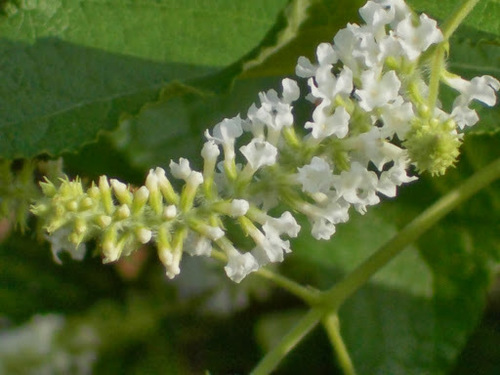
(c) _foxg, some rights reserved (CC BY-NC)

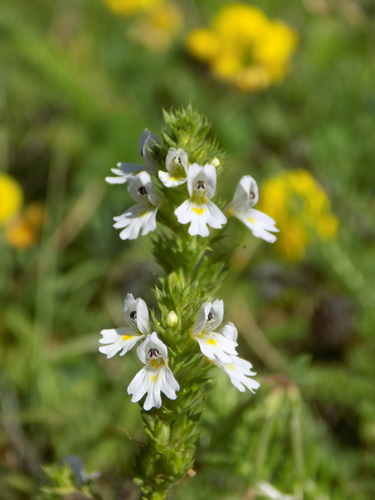
(c) Patrick Hacker, some rights reserved (CC BY), uploaded by Patrick Hacker
What to Eat
Edible parts: Leaves, Caution, Stems, Flowers
The leaves can be eaten raw and are occasionally added to salads, where they contribute a slightly bitter flavour.
Known Hazards
Where to Find It
It is a temperate plant. It grows in alpine meadows.
Asia, Balkans, Britain, Canada, Europe*, India, Macedonia, North America, Siberia, Spain, Turkey, Türkiye, USA,
How to Identify
An annual herb with an upright stem. It can grow 25 cm tall. The leaves are rounded and have teeth. They are less than 1 cm across. The flowers are small and white. They often have purple veins and a yellow throat. They have a 3 lobed lower lip.
How to Grow
Succeeds in most soils, preferring chalk or limestone. Eyebright is a semi-parasitic plant, growing on the roots of various species of grass and also on Trifolium pratense and Plantago species. The grass does not seem to suffer unduly from this parasitism since eyebright is an annual and its cells do not penetrate very deeply into the grass. There is some doubt over the validity of the name of this species, some botanists now call it Euphrasia rostkoviana. Eyebright is a variable aggregate species, some botanists divide it into a number of different species. Only those forms of eyebright which have glandular hairs on the calyx possess medicinal qualities. It hybridizes freely with other members of this genus.
Propagation: Sow seed outdoors in situ in early spring, amongst grass in a moist but not marshy soil.
Medicinal Uses
Eyebright has a long history of herbal use for eye complaints and remains in current use. It is important that only forms with glandular hairs on the calyx are used, as other forms lack medicinal virtue. The plant tightens the mucous membranes of the eye and appears to relieve the inflammation of conjunctivitis and blepharitis. Its ability to counter catarrh makes it useful for infectious and allergic conditions affecting the eyes, middle ear, sinuses, and nasal passages. The whole plant is anti-inflammatory, astringent, digestive, ophthalmic, and mildly tonic. Taken internally it is used for catarrh, sinusitis, hay fever, and upper respiratory tract infections. As an ophthalmic, an infusion can be taken by mouth or used as an eye wash; alternatively, the diluted juice can be dropped directly into the eyes. Some caution is warranted, as it has experimentally been shown to cause side effects including dim vision. The plant's astringency makes it unsuitable for treating dry or stuffy congestion. Applied externally as a poultice, it can assist wound healing. Eyebright should be harvested in flower and may be dried for later use. The dried herb is an ingredient in herbal smoking mixtures used for chronic bronchial colds. A homeopathic remedy made from the expressed juice of the plant is used particularly for eye inflammations and colds.
Other Uses
No uses are known.
Wikipedia
Source ↗Euphrasia officinalis, also known as eyebright or eyewort, is a species of plant in the family Orobanchaceae. Euphrasia officinalis herb has been used in the traditional Austrian medicine internally as tea, or externally as compresses, for treatment of disorders of the eyes and the gastrointestinal tract. A preliminary study demonstrated protective effects of Euphrasia officinalis against UVB-induced photoaging. Synonyms of E. officinalis include E. rostkoviana (named after Prussian botanist Friedrich Wilhelm Gottlieb Rostkovius) and E. fennica.
Notes
There are about 200 - 450 Euphrasia species. They are partly parasitic on other plants. It is used in medicine.
Names & Synonyms
Casse Lunette, Meadow eyebright
References (8)
- Ambasta, S.P. (Ed.), 2000, The Useful Plants of India. CSIR India. p 215
- Bremness, L., 1994, Herbs. Collins Eyewitness Handbooks. Harper Collins. p 250
- Brown, D., 2002, The Royal Horticultural Society encyclopedia of Herbs and their uses. DK Books. p 210
- Esperanca, M. J., 1988. Surviving in the wild. A glance at the wild plants and their uses. Vol. 1. p 342
- Getreue Darstell. Gew. 9: t. 7. 1825 type includes E. rostkoviana and E. stricta; Sell and Yeo selected the specimen of E. rostkoviana as lectotype and rejected the name
- Plants for a Future database, The Field, Penpol, Lostwithiel, Cornwall, PL22 0NG, UK. http://www.scs.leeds.ac.uk/pfaf/
- Seidemann J., 2005, World Spice Plants. Economic Usage, Botany, Taxonomy. Springer. p 153
- www.ediblewildfood.com