Gardenia nitida
Hooker

William Jackson Hooker, no known copyright restrictions (public domain)
(c) Frédéric Adémola Abiodoun, some rights reserved (CC BY-NC)
(c) Frédéric Adémola Abiodoun, some rights reserved (CC BY-NC)
What to Eat
Edible parts: Fruit
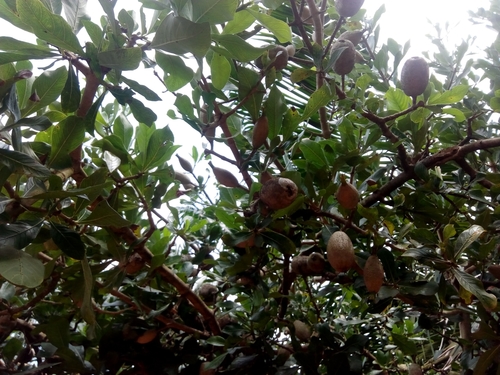
The fruit are edible.
Where to Find It
A tropical plant. It grows as an under-shrub in closed forests.
Africa, Burkina Faso, Ghana, Guinea, Guinée, Guinea-Bissau, Nigeria, Sierra Leone, West Africa,
How to Identify
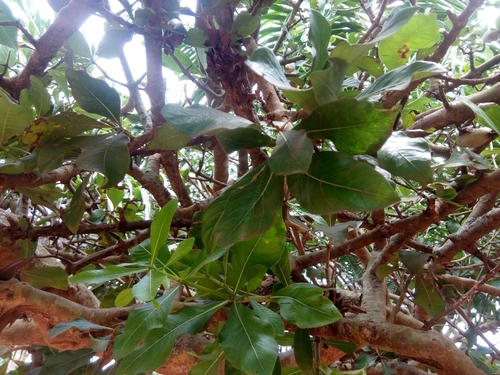
A shrub or small tree. It grows about 4 m high. The leaves are broadly oval. The flowers are long and white and occur singly.
How to Grow
Within its native range, Gardenia nitida is more prolific in areas where the mean annual rainfall is less than 1,500mm. The fragrant flowers only last for a day, opening white and turning yellow. This small tree or shrub is commonly planted in villages in Africa, particularly in Ghana, where it is seen as sacred. These connotations potentially stem from the toughness of this species' bark. It is often planted outside homes
Medicinal Uses
The root is considered to be generally healing. It is used by pregnant women to try and prevent an abortion. It is also drunk in order to increase female fertility.
Other Uses
The bark is used on roofs, where it is said to protect against lightning.
Notes
There are about 200 Gardenia species.
Names & Synonyms
Iacuco, Lacuco, Mamaondi, N'due, Pegwange, Peteprebi
References (3)
- Burkill, H. M., 1985, The useful plants of west tropical Africa, Vol. 4. Kew.
- Jardin, C., 1970, List of Foods Used In Africa, FAO Nutrition Information Document Series No 2.p 140
- World Checklist of Useful Plant Species 2020. Royal Botanic Gardens, Kew


