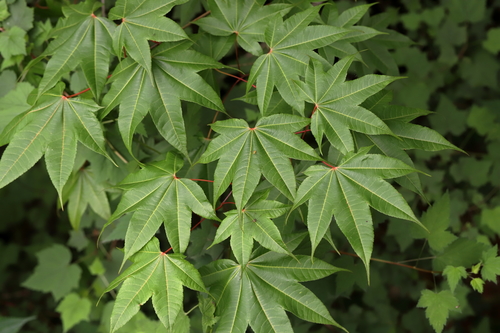
Hippobromus pauciflorus
(L.f.) Radlk.
Horsewood

(c) Andrew Gillespie, some rights reserved (CC BY), uploaded by Andrew Gillespie

(c) Craig Peter, some rights reserved (CC BY-NC), uploaded by Craig Peter

(c) Ricky Taylor, some rights reserved (CC BY-NC), uploaded by Ricky Taylor
What to Eat
Edible parts: Froth fruit
Leaves or fruit are beaten in water to create a froth that is eaten by children.
Known Hazards
Where to Find It
It is a subtropical plant. It grows from sea level to 1200 m altitude in South Africa.
Africa, Eswatini, South Africa, Southern Africa, Swaziland,
How to Identify
A small to medium sized tree. It is usually 3-9 m tall and slender. The trunk is 15-20 cm across. The leaves are alternate and compound. There are 3-6 pairs of leaflets. These are oval and 0.8-5 cm long and almost opposite. The midrib is winged. They are usually unequal-sided and narrow to the base. The flowers are small and yellow. They are in short velvety panicles in the axils of leaves. The fruit is round and the size of a pea. The seed is black.
Names & Synonyms
Basterperdepis, Ulwathile, Umfazi-onoxolo
References (4)
- Palgrave, K.C., 1996, Trees of Southern Africa. Struik Publishers. p 539
- Palmer, E and Pitman, N., 1972, Trees of Southern Africa. Vol. 2. A.A. Balkema, Cape Town p 1387
- Shava, S., 2000, The Use of Indigenous Plants as Food by a Rural Community in the Eastern Cape: an Educational Exploration. Masters Thesis Rhodes University. p 65
- Swaziland's Flora Database http://www.sntc.org.sz/flora