Plantago debilis
R. Br.
Shade plantain
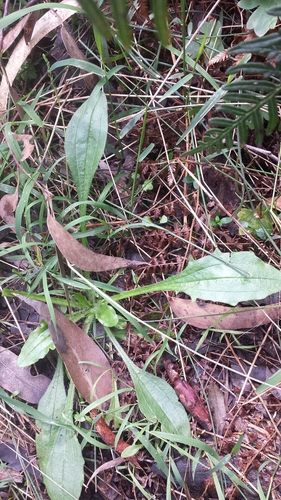
PlantaginaceaeLeaves
iNaturalist · cc-by-nc
(c) Robert Pergl, some rights reserved (CC BY-NC), uploaded by Robert Pergl
(c) Robert Pergl, some rights reserved (CC BY-NC), uploaded by Robert Pergl

iNaturalist · cc-by-nc
(c) Warren Tomlinson, some rights reserved (CC BY-NC), uploaded by Warren Tomlinson
(c) Warren Tomlinson, some rights reserved (CC BY-NC), uploaded by Warren Tomlinson
iNaturalist · cc-by-nc
(c) Bruce McLennan, some rights reserved (CC BY-NC), uploaded by Bruce McLennan
(c) Bruce McLennan, some rights reserved (CC BY-NC), uploaded by Bruce McLennan
What to Eat
Edible parts: Leaves
None known.
Where to Find It
It is a temperate plant. It grows in coastal and inland regions.
Australia*, Hawaii, New Zealand, Norfolk Island, Tasmania*, USA,
Countries: Australia, United States
How to Identify
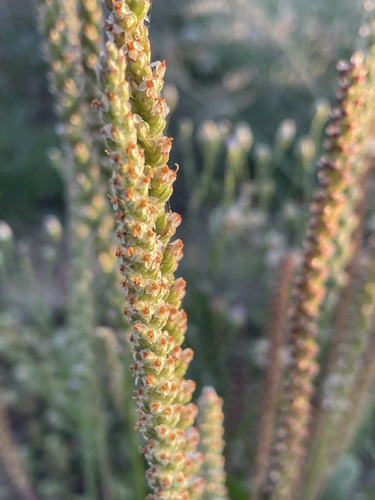
A herb which can grow each year from seed or keep growing from year to year. The leaves are hairy. The leaves are 3-15 cm long by 0.8-4 cm wide. They can have teeth along the edge. The flower heads are 4-10 cm long. They can become 30 cm long when fruiting.
How to Grow
193123
Medicinal Uses
None known.
Other Uses
None known.
Wikipedia
Source ↗Plantago debilis is a species of herb native to Australia. Common names include shade plantain and weak plantain.
Notes
The plantains or Plantaginaceae are mostly in temperate regions. There are about 165 Plantago species.
Names & Synonyms
See Plantago alpestrisPlantago varia
References (11)
- Caton, J.M. & Hardwick, R. J., 2016, Field Guide to Useful Native Plants from Temperate Australia. Harbour Publishing House. p 146
- Curtis, W.M., 1993, The Student's Flora of Tasmania. Part 3 St David's Park Publishing, Tasmania, p 560
- Elliot, W.R., & Jones, D.L., 1997, Encyclopedia of Australian Plants suitable for cultivation. Vol 7. Lothian. p 362
- Flora of Australia Volume 49, Oceanic Islands 1, Australian Government Publishing Service, Canberra. (1994) p 327
- Hunter, J. T. & Sheringham, P., 2006, Vegetation and Floristics of Melville Range Nature Reserve. A Report to the New South Wales Parks and Wildlife Service. p 178
- Low, T., 1991, Wild Food Plants of Australia. Australian Nature FieldGuide, Angus & Robertson. p 97
- Low, T., 1991, Wild Herbs of Australia and New Zealand. Angus & Robertson. p 50
- Low, T., 1992, Bush Tucker. Australia’s Wild Food Harvest. Angus & Robertson. p 133
- Paczkowska, G . & Chapman, A.R., 2000, The Western Australian Flora. A Descriptive Calatogue. Western Australian Herbarium. p 457
- Prodr. 425. 1810
- Tasmanian Herbarium Vascular Plants list p 44