Populus tremula var. sieboldii
(Miq.) H. Ohashi
Japanese aspen
SalicaceaeLeaves

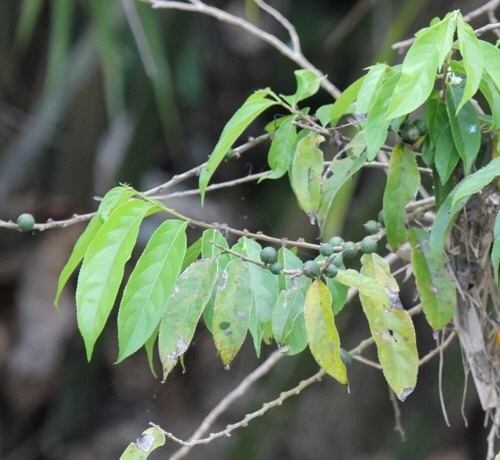
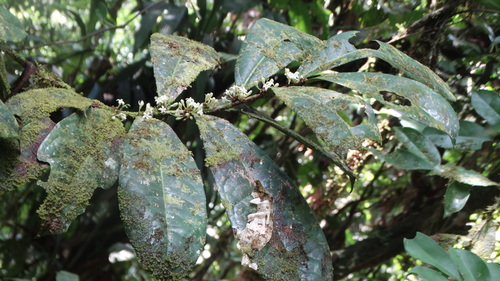
iNaturalist · cc-by-nc-sa
(c) José María Escolano, some rights reserved (CC BY-NC-SA)
(c) José María Escolano, some rights reserved (CC BY-NC-SA)

iNaturalist · cc-by-nc
(c) mallaliev, some rights reserved (CC BY-NC), uploaded by mallaliev
(c) mallaliev, some rights reserved (CC BY-NC), uploaded by mallaliev

iNaturalist · cc-by-sa
(c) Andreas Rockstein, some rights reserved (CC BY-SA)
(c) Andreas Rockstein, some rights reserved (CC BY-SA)
What to Eat
Edible parts: Leaves
The young leaves are cooked and eaten.
Where to Find It
It is a temperate plant.
Asia, Japan, Korea,
Countries: United Arab Emirates, Afghanistan, Armenia, Azerbaijan, Bangladesh, Bahrain, Brunei, Bhutan, China, Georgia, Indonesia, Israel, India, Iraq, Iran, Jordan, Japan, Kyrgyzstan, Cambodia, North Korea, South Korea, Kuwait, Kazakhstan, Laos, Lebanon, Sri Lanka, Myanmar, Mongolia, Maldives, Malaysia, Nepal, Oman, Philippines, Pakistan, Qatar, Saudi Arabia, Singapore, Syria, Thailand, Tajikistan, Timor-Leste, Turkmenistan, Turkey, Taiwan, Uzbekistan, Vietnam, Yemen
How to Identify
A deciduous tree in the Salicaceae family, native to temperate regions. Japanese aspen is one of approximately 35 Populus species.
Wikipedia
Source ↗Populus tremula (commonly called aspen, common aspen, Eurasian aspen, European aspen, or quaking aspen) is a species of poplar native to cool temperate regions of the Old World.
Notes
There are about 35 Populus species.
Names & Synonyms
Populus sieboldii Miq.
References (3)
- Ann. Mus. Bot. Lugduno-Batavum 3:29. 1867
- Heywood, V.H., Brummitt, R.K., Culham, A., and Seberg, O. 2007, Flowering Plant Families of the World. Royal Botanical Gardens, Kew. p 289
- Plants for a Future database, The Field, Penpol, Lostwithiel, Cornwall, PL22 0NG, UK. http://www.scs.leeds.ac.uk/pfaf/