Randia echinocarpa
Moc. & Sesse ex DC.
Pickle fruit randia
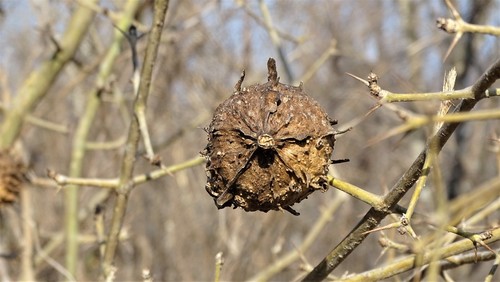
(c) Juan Ramón Manjarrez, some rights reserved (CC BY-NC)
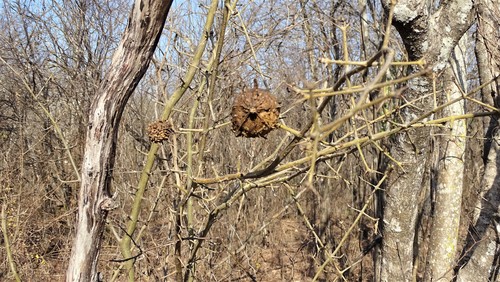
(c) Juan Ramón Manjarrez, some rights reserved (CC BY-NC)

(c) Juan Tonacatl, some rights reserved (CC BY-NC)
What to Eat
Edible parts: Fruit, Bark
The ripe fruit are eaten raw and are popular with children. The bark is chopped, ground, and boiled and used as a catalyst for making alcoholic drinks.
Known Hazards
Where to Find It
It is a tropical plant. It grows in dry thickets on hillsides. It grows at low to medium altitudes. It grows between 50-1,700 m above sea level. It grows in open locations.
Central America, Mexico, North America,
How to Identify
A shrub or small tree. It grows 6 m tall. The plant has spines in groups of four at the ends of the branches. It can lose its leaves during the dry season. The flowers are white or pale yellow. The fruit are round. The ripe fruit are yellow with small flat seeds in a black pulp.
How to Grow
A plant of semi-arid regions at low to medium elevations in the subtropics and tropics of Mexico. A dioecious species, both male and female forms need to be grown if fruit and seed are required.
Medicinal Uses
The bark is traditionally used as a catalyst for making alcoholic drinks.
Production
Plants flower in July.
Other Information
The fruit is appreciated locally. They are popular with children.
Names & Synonyms
Durazno de campo, Hosokola, Josoina, Kakwara, Membrillo de zorro, Papache
References (10)
- Altschul, S.V.R., 1973, Drugs and Foods from Little-known Plants. Notes in Harvard University Herbaria. Harvard Univ. Press. Massachusetts. no. 4202A
- Cruz, I. M., et al, 2015, Edible fruits and seeds in the State of Mexico. Revista Mexicana de Ciencias Agricolas. Vol. 6. Num. 2 pp 331-346
- Facciola, S., 1998, Cornucopia 2: a Source Book of Edible Plants. Kampong Publications, p 213
- Grandtner, M. M., 2008, World Dictionary of Trees. Wood and Forest Science Department. Laval University, Quebec, Qc Canada. (Internet database http://www.wdt.qc.ca)
- Kermath, B. M., et al, 2014, Food Plants in the Americas: A survey of the domesticated, cultivated and wild plants used for Human food in North, Central and South America and the Caribbean. On line draft. p 738
- Reis, S. V. and Lipp, F. L., 1982, New Plant Sources for Drugs and Foods from the New York Botanical Garden herbarium. Harvard. p 292
- Segura, S., et al, 2018, The edible fruit species in Mexico. Genet Resour Crop Evol (2018) 65:1767–1793
- Thursten, T. L., et al, (Ed.), Seeking a Richer Harvest: The Archaeology of Subsistence Intensification.
- World Checklist of Useful Plant Species 2020. Royal Botanic Gardens, Kew
- Yetman, D., 2002, The Guarijios of the Sierra Madre: Hidden People of Northwestern Mexico. University of New Mexico Press. p 219


