Ribes odoratum
H. L. Wendl.
Missouri Currant, Fragrant golden currant, Clove currant, Buffalo currant
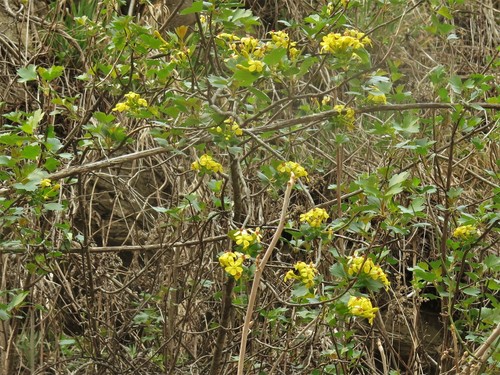
(c) jim_keesling, some rights reserved (CC BY-NC)
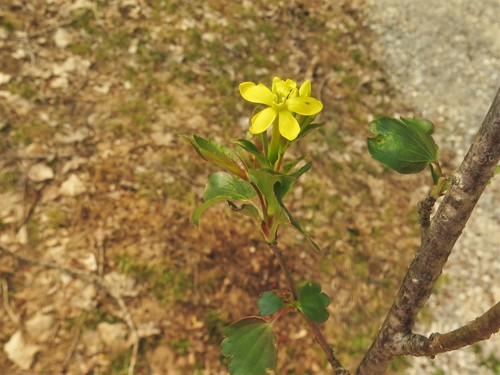
(c) jim_keesling, some rights reserved (CC BY-NC)
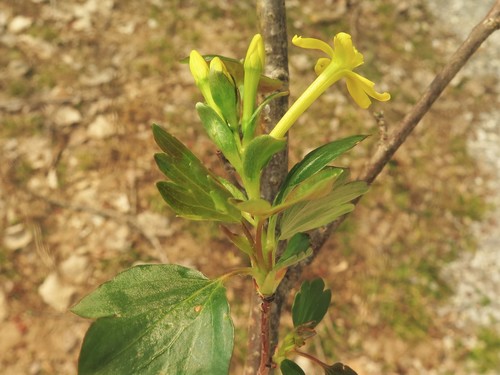
(c) jim_keesling, some rights reserved (CC BY-NC)
What to Eat
Edible parts: Fruit, Leaves, Leaves - tea, Flowers
The fruit can be eaten raw or cooked, and quality varies between plants — the best forms are sweet and make very pleasant eating. Fruit ripens from late July and can hang on the bush until early autumn; it can also be dried for winter use. The fruit is about 10mm in diameter, though selected cultivars produce larger berries. The flowers are eaten raw and have a sweet taste. The leaves can be brewed into a tea or used as a flavouring in foods.
Where to Find It
It is a temperate plant. It is frost hardy. It suits hardiness zones 5-9.
Asia, Australia, Canada, China, North America, Slovenia, Tasmania, USA,
How to Identify
A shrub. It grows to 1.8-3 m high. It spreads 1.8 m wide. The leaves have a spice scent. The leaves have 3-5 lobes. There are teeth along the edges. The flowers are bright yellow. They are sweetly scented and hang down. The fruit are black and edible.
How to Grow
Easily grown in a moisture retentive but well-drained loamy soil of at least moderate quality. Prefers full sun but it is quite tolerant of shade though it does not fruit so well in such a position. Hardy to about -25°c. A very ornamental plant. The flowers are deliciously clove-scented. This species is closely allied to R. aureum. Occasionally cultivated for its edible fruit, there are some named varieties. The period of fruit ripening is unusually long. The cultivar 'Crandall' has large edible fruits with a tart-sweet flavour that are high in pectin. This species succeeds in regions having hot summers. The fruits can be red, black, yellow, golden or reddish-brown. Plants often produce suckers, especially when growing in damp soils. Plants can harbour a stage of white pine blister rust, so should not be grown in the vicinity of pine trees. Plants in this genus are notably susceptible to honey fungus.
Propagation: Seed is best sown as soon as it is ripe in autumn in a cold frame. Stored seed requires 3 months of cold stratification at 0–5°c and should be sown as early in the year as possible. Under normal storage conditions seed can remain viable for 17 years or more. Prick out seedlings into individual pots when large enough to handle, grow on in a cold frame through their first winter, then plant out in late spring the following year. Cuttings of half-ripe wood, 10–15cm with a heel, taken July/August in a frame. Cuttings of mature wood of the current year's growth, preferably with a heel of the previous year's growth, taken November to February in a cold frame or sheltered bed outdoors. Suckers can be divided during the dormant season and planted directly into their permanent positions.
Medicinal Uses
A poultice of the plant has been applied to snakebites.
Other Uses
None known
Wikipedia
Ribes odoratum is a deciduous shrub growing 2.5 m tall and wide. It flowers in April with seeds ripening July to August. Hardy to UK zone 5, with hermaphroditic insect-pollinated flowers. Grows in light, medium, or heavy well-drained soils with mildly acid to basic pH. Tolerates semi-shade or full sun and prefers moist conditions.
Notes
There are about 150 Ribes species.
Names & Synonyms
Dišeče grozdičje
References (18)
- F. G. Bartling & H. L. Wendland, Beitr. Bot. 2:15. 1825
- Bodkin, F., 1991, Encyclopedia Botanica. Cornstalk publishing, p 883
- Brickell, C. (Ed.), 1999, The Royal Horticultural Society A-Z Encyclopedia of Garden Plants. Convent Garden Books. p 884
- Cundall, P., (ed.), 2004, Gardening Australia: flora: the gardener's bible. ABC Books. p 1206
- Elias, T.S. & Dykeman P.A., 1990, Edible Wild Plants. A North American Field guide. Sterling, New York p 170
- Esperanca, M. J., 1988. Surviving in the wild. A glance at the wild plants and their uses. Vol. 1. p 366
- Facciola, S., 1998, Cornucopia 2: a Source Book of Edible Plants. Kampong Publications, p 120
- Flora of China @ efloras.org Volume 8
- Hibbert, M., 2002, The Aussie Plant Finder 2002, Florilegium. p 252
- http://www.botanic-gardens-ljubljana.com/en/plants
- Jackes, D. A., 2007, Edible Forest Gardens
- Joyce, D., 1998, The Garden Plant Selector. Ryland, Peters and Small. p 157
- Kermath, B. M., et al, 2014, Food Plants in the Americas: A survey of the domesticated, cultivated and wild plants used for Human food in North, Central and South America and the Caribbean. On line draft. p 748
- Plants for a Future database, The Field, Penpol, Lostwithiel, Cornwall, PL22 0NG, UK. http://www.scs.leeds.ac.uk/pfaf/
- Ryan, S., 2008, Dicksonia. Rare Plants Manual. Hyland House. p 50
- Small, E., 2009, Top 100 Food Plants. The world's most important culinary crops. NRC Research Press. p 244
- USDA, ARS, National Genetic Resources Program. Germplasm Resources Information Network - (GRIN). [Online Database] National Germplasm Resources Laboratory, Beltsville, Maryland. Available: www.ars-grin.gov/cgi-bin/npgs/html/econ.pl (10 April 2000)
- Wiersema, J. H. & Leon, B., 2013, World Economic Plants. A Standard Reference CRC Press. 2nd Ed. p 591
More from Grossulariaceae


