Ribes pauciflorum
Turcz. ex Pojark.

(c) SD, some rights reserved (CC BY-NC), uploaded by SD
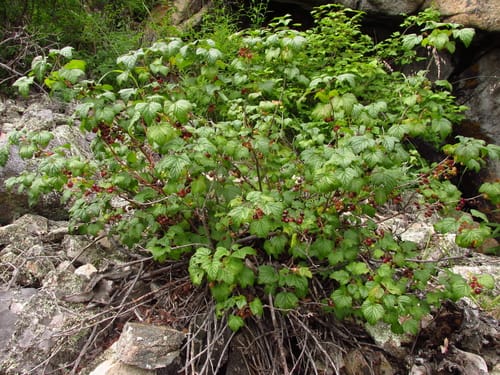
(c) Наталья Гамова, some rights reserved (CC BY-NC)
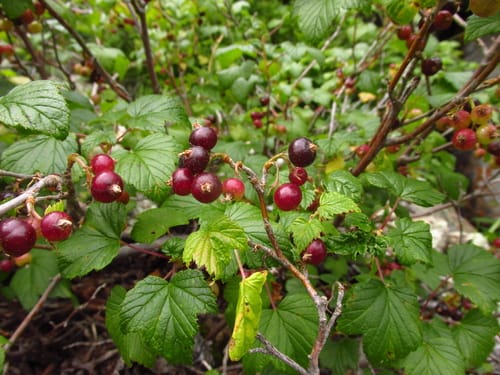
(c) Наталья Гамова, some rights reserved (CC BY-NC)
What to Eat
Edible parts: Fruit
The fruit of blackcurrants when eaten raw has a strong, tart flavour. It can be made into jams and jellies which set readily because of the fruit's high content of pectin and acid. For culinary use, the fruit is usually cooked with sugar to produce a purée, which can then be passed through muslin to separate the juice. The purée can be used to make blackcurrant preserves and be included in cheesecakes, yogurt, ice cream, desserts, sorbets, and many other sweet dishes. The exceptionally strong flavour can be moderated by combining it with other fruits, such as raspberries and strawberries in summer pudding, or apples in crumbles and pies. The juice can be used in syrups and cordials. Blackcurrants are a common ingredient of rødgrød, a popular kissel-like dessert in North German and Danish cuisines. Blackcurrants are also used in savoury cooking. Their astringency creates added flavour in sauces, meats and other dishes. Blackcurrants are included in some unusual combinations of foods. They can be added to tomato and mint to make a salad. Blackcurrants may accompany roast beef, grilled lamb, duck, seafood and shellfish. Canvasback duck with blackcurrants was a delicacy in nineteenth century New York. They can provide a dipping sauce at barbecues. They can be blended with mayonnaise, and used to invigorate bananas and other tropical fruits. Blackcurrants can be combined with dark chocolate or added to mincemeat in traditional mince pies at Christmas. Japan imports US$3.6 million of New Zealand blackcurrants for uses as dietary supplements, snacks, functional food products and as quick-frozen (IQF) produce for culinary production as jams, jellies or preserves.
Where to Find It
It is a temperate plant.
Asia, Manchuria, Russia, Siberia,
How to Identify
A temperate shrub in the Grossulariaceae family, one of approximately 150 Ribes species.
Notes
There are about 150 Ribes species.
References (3)
- Crate, S. A., 2008, "Eating Hay": The Ecology, Economy and Culture of Viliui Sakha Smallholders of Northeastern Siberia. Human Ecology 36:161-174
- Plants for a Future database, The Field, Penpol, Lostwithiel, Cornwall, PL22 0NG, UK. http://www.scs.leeds.ac.uk/pfaf/
- Spisok. Rast. Gerb. Fl. S.S.S.R. Bot. Inst. Vsesojuzn. Akad.Nauk 10:69. 1936
More from Grossulariaceae


