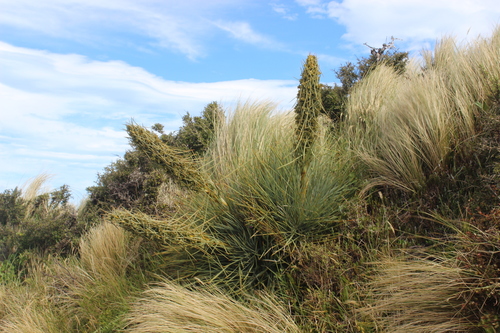
Apium insulare
P. S. Short
Island celery
ApiaceaeLeaves
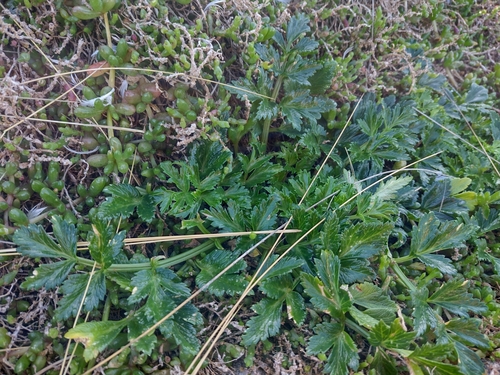
iNaturalist · cc-by-nc
(c) Luke Cooper, some rights reserved (CC BY-NC), uploaded by Luke Cooper
(c) Luke Cooper, some rights reserved (CC BY-NC), uploaded by Luke Cooper
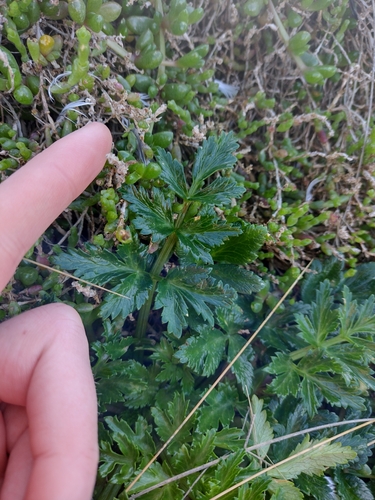
iNaturalist · cc-by-nc
(c) Luke Cooper, some rights reserved (CC BY-NC), uploaded by Luke Cooper
(c) Luke Cooper, some rights reserved (CC BY-NC), uploaded by Luke Cooper
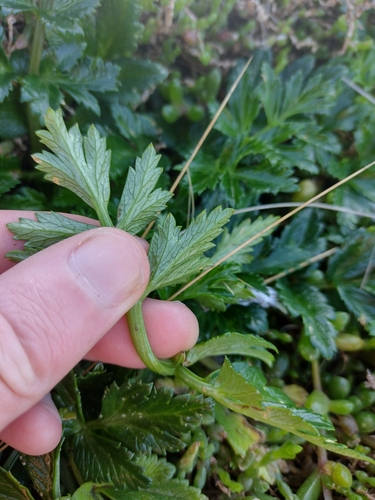
iNaturalist · cc-by-nc
(c) Luke Cooper, some rights reserved (CC BY-NC), uploaded by Luke Cooper
(c) Luke Cooper, some rights reserved (CC BY-NC), uploaded by Luke Cooper
What to Eat
Edible parts: Leaves
None known
Where to Find It
It is a temperate plant. It grows in Bass Strait Islands and Lord Howe Island. It grows on rocky shores on very exposed sections of the coast. Tasmania Herbarium.
Australia*, Tasmania,
Countries: Australia
How to Identify
A robust herb. It grows 50 cm high. It is erect and has stout stems 10 mm across. The leaves are large and dissected. They are glossy green. The flower is a distinctive stalked umbel.
How to Grow
193064
Medicinal Uses
None known
Other Uses
None known Special Uses
Wikipedia
Source ↗Apium insulare, Flinders Island celery, or Island celery is a herb of the Bass Strait islands, and Lord Howe Island, Australia. It is a member of the Apiaceae (carrot family). It was first described by Philip Short in 1979.
Notes
There are about 20 Apium species.
References (3)
- Harris, S., Buchanan, A., Connolly, A., 2001, One Hundred Islands: The Flora of the Outer Furneaux. Tas Govt. p 106
- Low, T., 1992, Bush Tucker. Australia’s Wild Food Harvest. Angus & Robertson. p 136
- Tasmanian Herbarium Vascular Plants list p 3