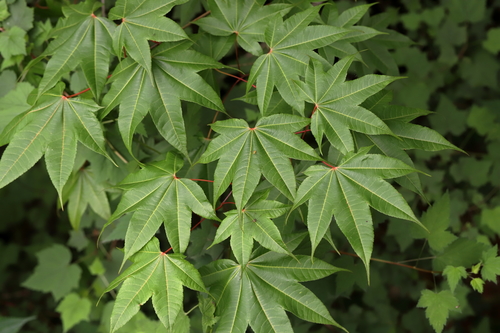
Sapindus indicus
Poir.
Soapberry

wikimedia · cc-by-sa
Wikimedia Commons - Dinesh Valke from Thane, India
Wikimedia Commons - Dinesh Valke from Thane, India

wikimedia · cc-by-sa
Wikimedia Commons - Dinesh Valke from Thane, India
Wikimedia Commons - Dinesh Valke from Thane, India
What to Eat
Edible parts: Seeds
The seeds are eaten.
Known Hazards
Where to Find It
A tropical plant.
Asia, Pacific,
Countries: United Arab Emirates, Afghanistan, Armenia, Australia, Azerbaijan, Bangladesh, Bahrain, Brunei, Bhutan, China, Fiji, Micronesia, Georgia, Indonesia, Israel, India, Iraq, Iran, Jordan, Japan, Kyrgyzstan, Cambodia, Kiribati, North Korea, South Korea, Kuwait, Kazakhstan, Laos, Lebanon, Sri Lanka, Marshall Islands, Myanmar, Mongolia, Maldives, Malaysia, Nepal, Nauru, New Zealand, Oman, Papua New Guinea, Philippines, Pakistan, Palau, Qatar, Saudi Arabia, Solomon Islands, Singapore, Syria, Thailand, Tajikistan, Timor-Leste, Turkmenistan, Tonga, Turkey, Tuvalu, Taiwan, Uzbekistan, Vietnam, Vanuatu, Samoa, Yemen
How to Identify
A tropical tree in the soapberry family (Sapindaceae) with edible seeds.
Medicinal Uses
Leaf and fruit extracts of Sapindus have historically been used in folk remedies to treat various conditions.
References (3)
- Encycl. 6:667. 1805 "indica"
- Menninger, E.A., 1977, Edible Nuts of the World. Horticultural Books. Florida p 71
- Wickens, G.E., 1995, Edible Nuts. FAO Non-wood forest products. FAO, Rome. p151