Secale strictum
(C. Presl) C. Presl
Mountain rye
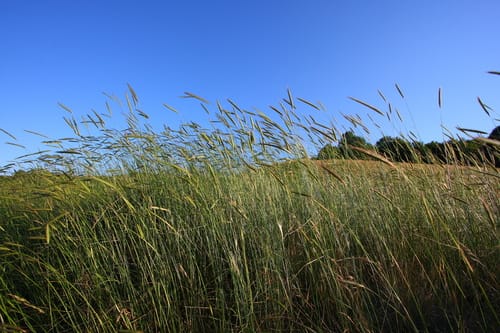
(c) alexcm, some rights reserved (CC BY-NC)
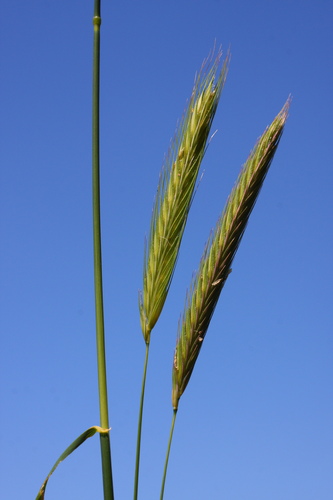
(c) alexcm, some rights reserved (CC BY-NC), uploaded by alexcm
What to Eat
Edible parts: Seeds, Cereal
The seed can be used whole or ground into flour for making bread and similar foods. The seeds are somewhat smaller than those of S. cereale but are produced abundantly, though they are relatively difficult to extract from the glumes by hand.
Where to Find It
It is a temperate plant.
Africa, Belgium, Europe, Iran, Iraq, Mediterranean, Middle East, Morocco, North Africa, Spain,
How to Identify
A perennial grass reaching 1.2 m (4 ft) tall and 0.3 m (1 ft) wide. Hardy to UK zone 3, not frost tender. Flowers June to August; seeds ripen August to September. Hermaphroditic, wind-pollinated. Grows in light sandy, medium loamy, and heavy clay soils, preferring well-drained conditions across mildly acidic to mildly alkaline pH. Requires full sun, prefers moist soil, and tolerates drought. Withstands strong winds but not maritime exposure.
How to Grow
Propagation: Sow seed in March or October in situ, barely covering the seed. Germination should occur within two weeks. With limited seed, sow in pots in a greenhouse or cold frame in early spring, barely covering the seed. Prick out into individual pots as soon as large enough to handle and plant out in late spring or early summer. Divide in spring; larger divisions can go directly into permanent positions. Smaller divisions are best potted up and grown on in a lightly shaded cold frame until well established before planting out in summer.
Medicinal Uses
None known
Other Uses
None known
Wikipedia
A perennial grass reaching 1.2 m (4 ft) tall and 0.3 m (1 ft) wide. Hardy to UK zone 3, not frost tender. Flowers June to August; seeds ripen August to September. Hermaphroditic, wind-pollinated. Grows in light sandy, medium loamy, and heavy clay soils, preferring well-drained conditions across mildly acidic to mildly alkaline pH. Requires full sun, prefers moist soil, and tolerates drought. Withstands strong winds but not maritime exposure.
References (4)
- Davies, C. L., Waugh, D. L. & Lefroy, E. C., 2005, Perenial Grain Crops for High Water Use. The case of Microlaena stipoides. RIRDC Publication No. 05/024
- Fl. sicul. 46. 1826
- Heywood, V.H., Brummitt, R.K., Culham, A., and Seberg, O., 2007, Flowering Plant Families of the World. Royal Botanical Gardens, Kew. p 394
- Plants for a Future database, The Field, Penpol, Lostwithiel, Cornwall, PL22 0NG, UK. http://www.scs.leeds.ac.uk/pfaf/


