Secale vavilovii
Grossh.
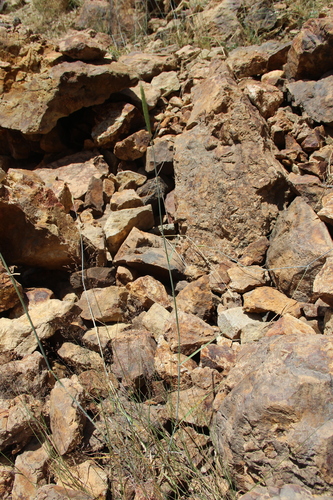
(с) Шильников Дмитрий Сергеевич, некоторые права защищены (CC BY-NC), загрузил Шильников Дмитрий Сергеевич
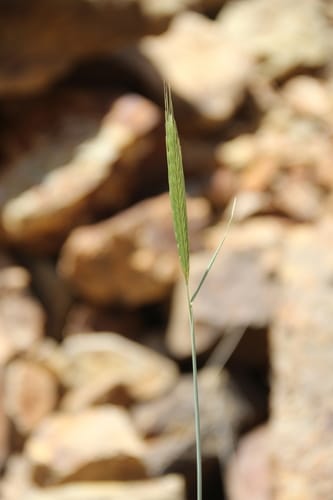
(c) Шильников Дмитрий Сергеевич, some rights reserved (CC BY-NC)
What to Eat
Edible parts: Seeds, Cereal
The seeds are cooked and used as a cereal grain — suitable for making bread, cakes, and thickening soups.
Where to Find It
It is a temperate plant.
Armenia, Caucasus, Europe, Turkey, Türkiye,
How to Identify
An annual grass growing to 1.2 m tall with hermaphroditic wind-pollinated flowers. Tolerates light, medium, and heavy well-drained soils across mildly acid to mildly alkaline pH ranges. Requires full sun, prefers moist soil, and can endure drought. Hardy to UK zone 3.
How to Grow
We have very little information on this species but it should succeed as an annual crop in Britain. It might be possible to sow it as an over-wintering annual. Succeeds in most soils but prefers a well-drained light soil in a sunny position.
Propagation: Sow seed in situ in March or October, barely covering it. Germination should occur within 2 weeks.
Medicinal Uses
None known.
Other Uses
None known.
Wikipedia
Source ↗Secale vavilovii is a species of grass (family Poaceae), native to Turkey, the Transcaucasus, Iraq, and Iran. An annual, it is a crop wild relative of rye (Secale cereale) and is being studied for its resistance to Fusarium ear blight and Septoria leaf blotch.
Names & Synonyms
References (3)
- Trudy Prikl. Bot. Selekc. 13(2):473, 474, 481. 1924
- Plants for a Future database, The Field, Penpol, Lostwithiel, Cornwall, PL22 0NG, UK. http://www.scs.leeds.ac.uk/pfaf/
- Zeven, A. C. & de West, J. M. J., 1982, Dictionary of cultivated plants and their regions of diversity. Wageningen. p 93


