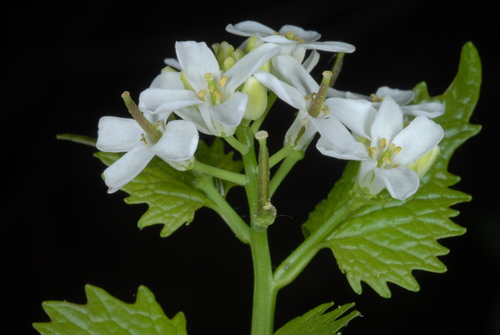
Stanleya wrightii
(A. Gray) Rydb.
Wright's Thelypody
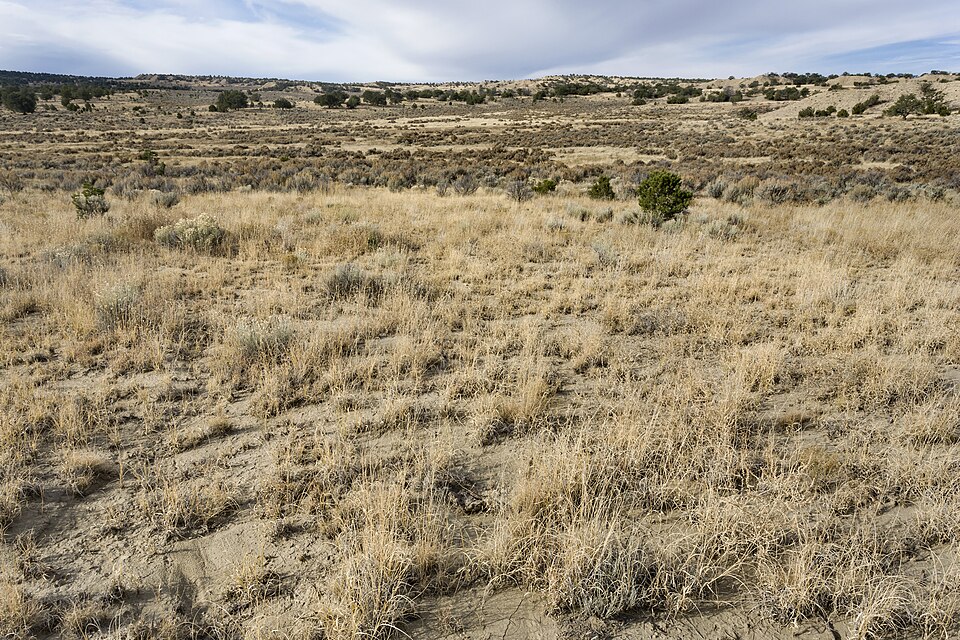
Wikimedia Commons - Patrick Alexander from Las Cruces, NM
What to Eat
Edible parts: Leaves, Seeds
Seeds are cooked and used as a piñole. Young leaves and shoots are also eaten cooked.
Where to Find It
It is a temperate plant.
North America, USA,
How to Identify
A perennial herb hardy to UK zone 7, with hermaphrodite flowers pollinated by insects. Grows in light sandy or medium loamy, well-drained soils ranging from mildly acidic to mildly alkaline. Requires full sun and tolerates both dry and moist soil conditions.
How to Grow
Propagation: Sow seed in spring in a greenhouse; germination should occur within 3 weeks. Pot seedlings into individual pots as soon as they are large enough to handle, to protect the root system, then plant out in summer. Division in spring may also be possible.
Medicinal Uses
None known
Other Uses
A dye obtained from the plant is used in colouring pottery.
Wikipedia
A perennial herb hardy to UK zone 7, with hermaphrodite flowers pollinated by insects. Grows in light sandy or medium loamy, well-drained soils ranging from mildly acidic to mildly alkaline. Requires full sun and tolerates both dry and moist soil conditions.
References (2)
- Beckstrom-Sternberg, Stephen M., and James A. Duke. "The Foodplant Database." http://probe.nalusda.gov:8300/cgi-bin/browse/foodplantdb.(ACEDB version 4.0 - data version July 1994)
- Plants for a Future database, The Field, Penpol, Lostwithiel, Cornwall, PL22 0NG, UK. http://www.scs.leeds.ac.uk/pfaf/