Thysanotus thyrsoideus
Baker
Fringed lily
AsparagaceaeRoots

iNaturalist · cc-by-nc
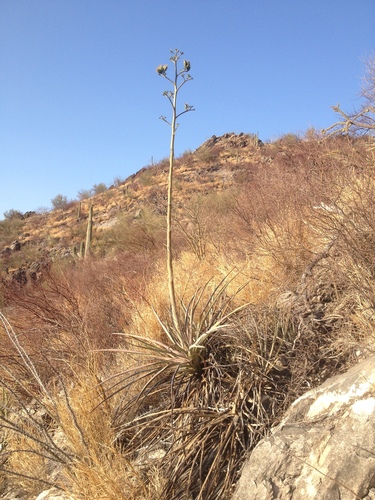
(c) Keith Morris, some rights reserved (CC BY-NC), uploaded by Keith Morris
(c) Keith Morris, some rights reserved (CC BY-NC), uploaded by Keith Morris

iNaturalist · cc-by-nc
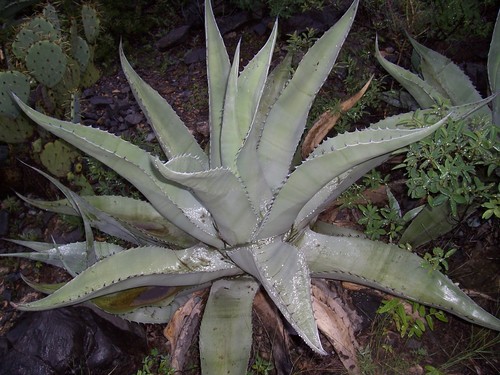
(c) Keith Morris, some rights reserved (CC BY-NC), uploaded by Keith Morris
(c) Keith Morris, some rights reserved (CC BY-NC), uploaded by Keith Morris

iNaturalist · cc-by-nc
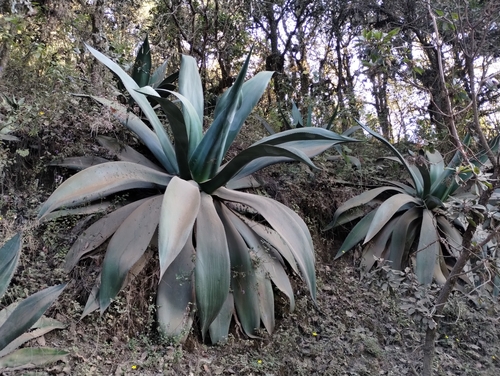
(c) Tessa Barratt, some rights reserved (CC BY-NC), uploaded by Tessa Barratt
(c) Tessa Barratt, some rights reserved (CC BY-NC), uploaded by Tessa Barratt
What to Eat
Edible parts: Tubers, Root
The tubers and roots are eaten.
Where to Find It
It grows in warm temperate places. It can grow in peaty, sandy, gravelly or clay soils. It can tolerate some moisture.
Australia*,
Countries: Australia
How to Identify
A herb that keeps growing from year to year. It has tuberous roots. It grows 15-35 cm high. The flowers are purple.
Notes
There are about 50 Thysanotus species mostly in Australia. Also put in the family Laxmanniaceae.
References (3)
- Bindon, P., 1996, Useful Bush Plants. Western Australian Museum. p 252
- Paczkowska, G. & Chapman, A.R., 2000, The Western Australian Flora. A Descriptive Calatogue. Western Australian Herbarium. p 35
- Zola, N., & Gott, B., 1992, Koorie Plants Koorie People. Koorie Heritage Trust. p 44