Triteleia ixioides
(Dryand ex Aiton) Greene
Pretty face, Golden brodiaea

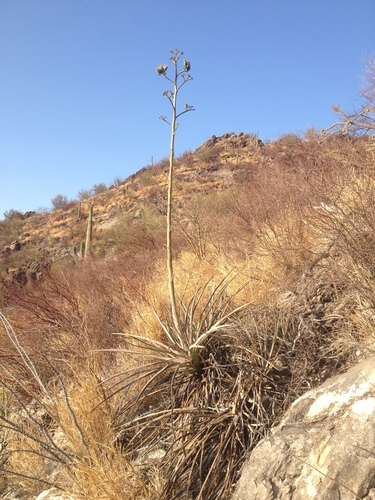
(c) Stan Shebs, some rights reserved (CC BY-SA)

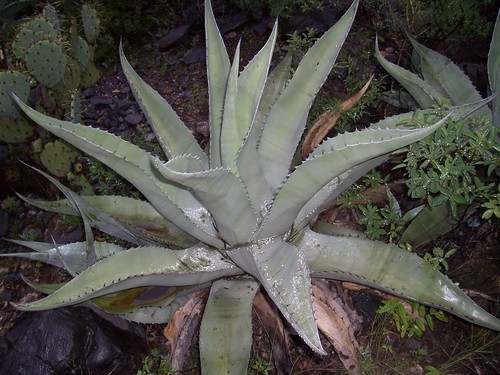
(c) Ken-ichi Ueda, some rights reserved (CC BY)

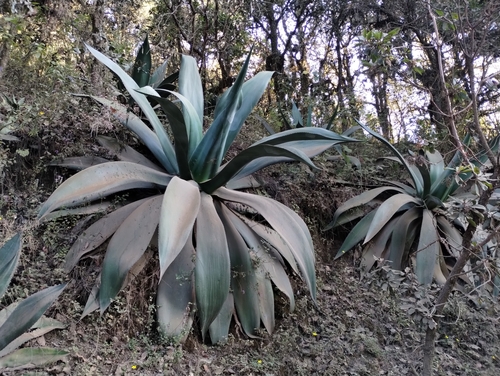
(c) Cat Chang, some rights reserved (CC BY-NC), uploaded by Cat Chang
What to Eat
Edible parts: Root, Bulb
The small bulbs can be eaten raw or cooked. Rich in starch, they can be prepared and used much like potatoes.
Where to Find It
It is a temperate plant. They need moist, well-drained soils. The soils should never be waterlogged. It needs an open, sunny position. It is resistant to frost. It suits hardiness zones 7-10.
Australia, North America*, Tasmania, USA,
How to Identify
An onion family plant. It is a corm or bulb plant. It re-grows from the bulb after a dormant period. It grows 45-60 cm high and spreads 20-30 cm wide. The leaves are grass-like. The flowers stems are wiry. They have heads of about 10 golden yellow flowers. These are widely flared and funnel shaped.
How to Grow
Plants can be grown from the bulbs or corms. It can also be grown from seed.
Propagation: Seed is best sown as soon as it is ripe in a cold frame, or alternatively in spring. Germination typically occurs within 1–3 months at 15°C. Sow thinly to avoid the need for pricking out, and grow seedlings on in the pot for their first year. Give occasional liquid feeds to prevent mineral deficiency. Seedlings are prone to damping off, so avoid overwatering and maintain good ventilation. Once dormant, pot up the small bulbs, placing around 3 per pot, and grow on in a greenhouse for another year or two until bulbs reach about 20mm in diameter. Plant out into permanent positions when dormant in autumn. For division, dig up clumps of flowering-size bulbs in autumn, replanting larger ones directly into permanent positions. Pot up smaller bulbs and grow on in a greenhouse for a year before planting out when dormant in early autumn.
Medicinal Uses
None known
Other Uses
None known
Wikipedia
Source ↗Triteleia ixioides, known as prettyface or golden star, is a monocotyledon flowering plant in the genus Triteleia. It is native to northern and central California and southwestern Oregon, where it can be found in coastal and inland coniferous forests and other habitat. It is a perennial wildflower growing from a corm. It produces one to two basal leaves up to 50 centimeters long by 1.5 wide. The inflorescence arises on an erect stem up to 80 centimeters tall. It is an umbel-like cluster of several flowers each borne on a pedicel up to 7 centimeters long. The flowers are variable in size, measuring one to nearly three centimeters in length. They are pale to bright yellow, or sometimes purple-tinged white. There are six tepals with darker midveins in shades of green, brown, or purple. The lobes are funnel-shaped and may open flat or somewhat reflexed. The six stamens form a fused tube that protrudes from the corolla; they have broad, flat filaments and whitish, yellowish, or blue anthers.
Notes
Also put in the family Alliaceae.
Names & Synonyms
References (3)
- Cundall, P., (ed.), 2004, Gardening Australia: flora: the gardener's bible. ABC Books. p 1432
- Hibbert, M., 2002, The Aussie Plant Finder 2002, Florilegium. p 302
- Moerman, D. F., 2010, Native American Ethnobotany. Timber Press. p 569