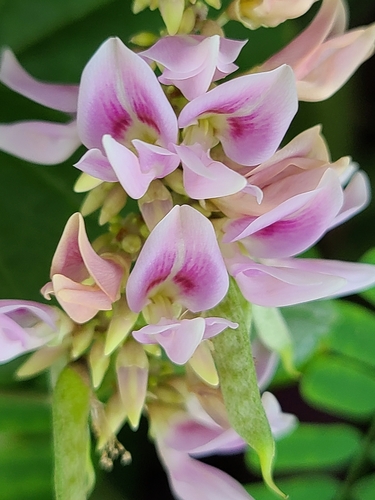
Vicia nipponica
Matsum.

(c) Svetlana Nesterova, some rights reserved (CC BY-NC), uploaded by Svetlana Nesterova
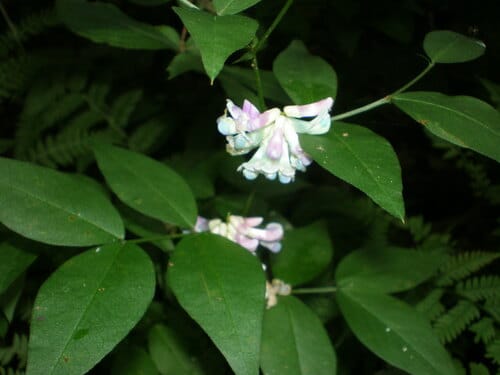
(c) onidiras-iNaturalist, some rights reserved (CC BY-NC)
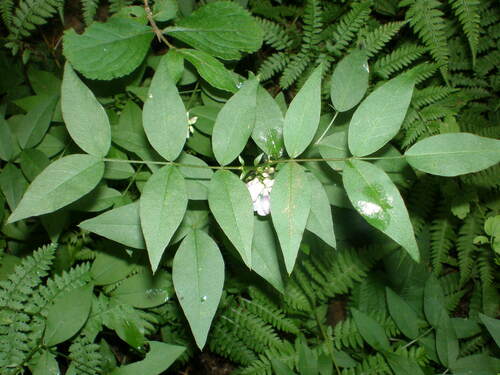
(c) onidiras-iNaturalist, some rights reserved (CC BY-NC)
What to Eat
Edible parts: Leaves
Young leaves are edible and best eaten cooked.
Where to Find It
It is a temperate plant.
Asia, China, Japan, Korea,
How to Identify
Perennial vetch reaching 0.8 m tall. Hermaphroditic flowers self-fertile and pollinated by insects. Fixes nitrogen in soil. Establishes in light sandy, medium loamy, and heavy clay soils with good drainage. Tolerates mildly acidic to basic pH ranges, growing in semi-shade or full sun and preferring consistently moist soil.
How to Grow
We have very little information on this species and do not know if it will be hardy in Britain, though judging by its native range it should succeed outdoors in many parts of the country. The following notes are based on the general needs of the genus. Succeeds in any well-drained soil in a sunny position if the soil is reliably moist throughout the growing season, otherwise it is best grown in semi-shade. This species has a symbiotic relationship with certain soil bacteria, these bacteria form nodules on the roots and fix atmospheric nitrogen. Some of this nitrogen is utilized by the growing plant but some can also be used by other plants growing nearby.
Propagation: Pre-soak the seed for 24 hours in warm water, then sow in situ in spring or autumn.
Medicinal Uses
None known.
Other Uses
Functions as a nitrogen fixer.
Wikipedia
Perennial vetch reaching 0.8 m tall. Hermaphroditic flowers self-fertile and pollinated by insects. Fixes nitrogen in soil. Establishes in light sandy, medium loamy, and heavy clay soils with good drainage. Tolerates mildly acidic to basic pH ranges, growing in semi-shade or full sun and preferring consistently moist soil.
Notes
There are about 140 Vicia species. They are mostly temperate.
Names & Synonyms
References (1)
- Plants for a Future database, The Field, Penpol, Lostwithiel, Cornwall, PL22 0NG, UK. http://www.scs.leeds.ac.uk/pfaf/