Xanthophyllum stipitatum
A. W. Bennett
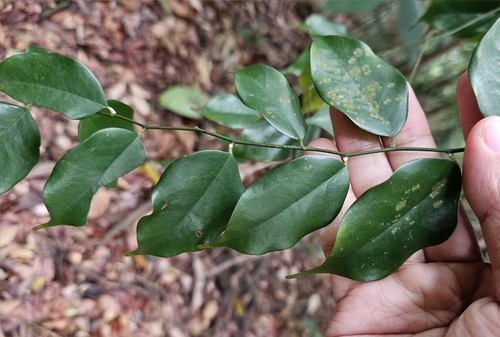
(c) kaigrr, some rights reserved (CC BY-NC), uploaded by kaigrr
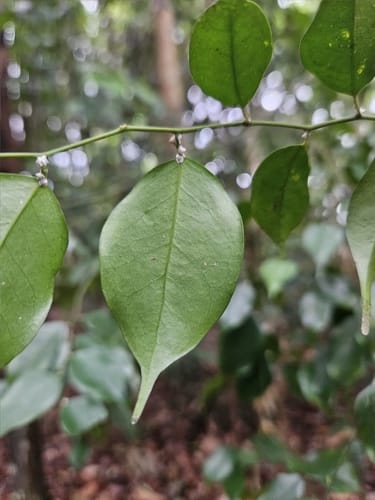
(c) kaigrr, some rights reserved (CC BY-NC)
What to Eat
Edible parts: Fruit
Fruit. A sweet, white pulp. The green-yellowish-brownish fruits are about 35mm in diameter, containing many seeds. Some fruits can be up to 60mm in diameter.
Where to Find It
A tropical plant. It grows in mixed and swamp forest up to 1,000 m above sea level.
Asia, Brunei, Indonesia, Malaysia, Sarawak, SE Asia,
How to Identify
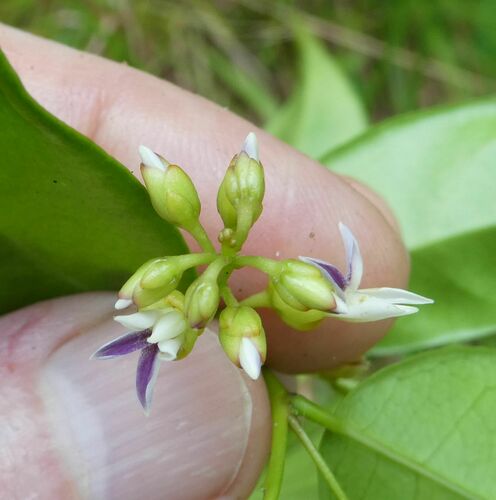
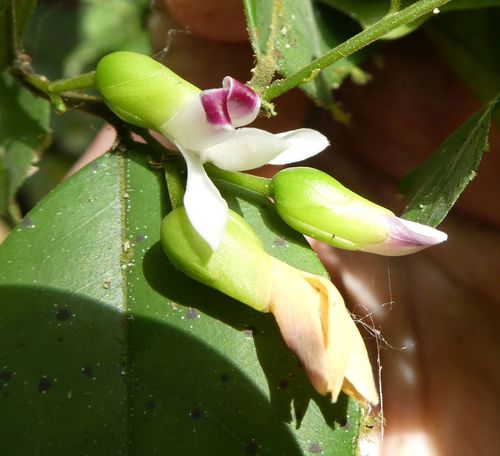
A tree. It grows about 30 m tall. The leaves are alternate and simple. The flowers are 15 mm across. They are red. The fruit are about 4 cm across. They are green to yellow-brown.
How to Grow
A plant of the moist, lowland tropics. Grows in the wild on a range of soils from sandy to clayey.
Wikipedia
Source ↗Xanthophyllum stipitatum is a plant in the family Polygalaceae. The specific epithet stipitatum is from the Latin meaning 'stalked', referring to the ovary of the flower.
Notes
There are about 100 Xanthophyllum species. Also put in the Xanthophyllaceae family.
Names & Synonyms
Langir, Legai, Nyalin, Pasak
References (3)
- Chai, P. P. K. (Ed), et al, 2000, A checklist of Flora, Fauna, Food and Medicinal Plants. Lanjak Entimau Wildlife Sanctuary, Sarawak. Forestry Malaysia & ITTO. p 169
- Saw, L.G., LaFrankie, J. V. Kochummen, K. M., Yap S. K., 1991, Fruit Trees in a Malaysian Rain Forest. Economic Botany, Vol. 45, No. 1, pp. 120-136
- Slik, F., www.asianplant.net