Dipcadi glaucum
(Burch. ex Ker Gawl.) Baker
Wild onion, Poison onion
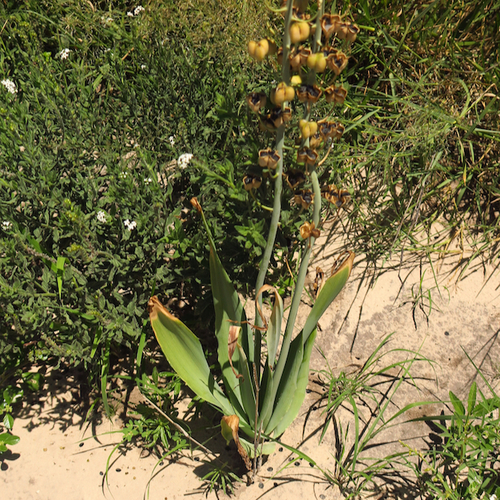
(c) Riana Fourie, some rights reserved (CC BY-NC)
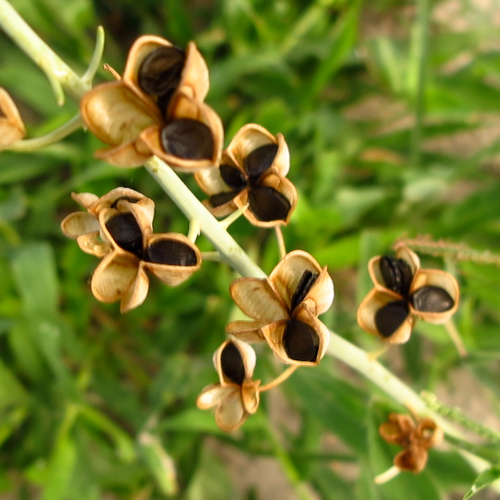
(c) Riana Fourie, some rights reserved (CC BY-NC)
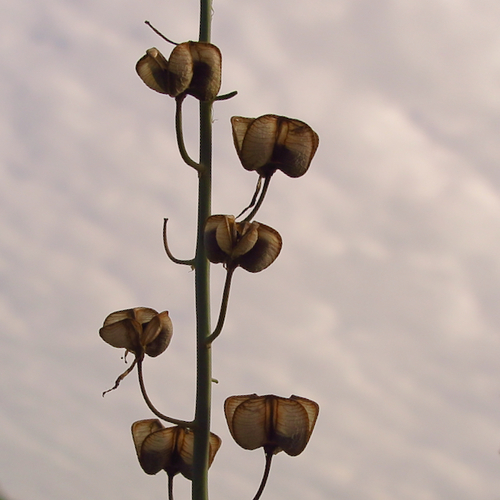
(c) Riana Fourie, some rights reserved (CC BY-NC)
What to Eat
Edible parts: Leaves, Bulb
Young leaves - raw or cooked. Watery and somewhat crisp, they are viewed as an early delicacy to eat as the dry season ends. They leaves are eaten fresh as they are picked, or can be mixed with other foods such as the corms of Eulophia speciosa and cooked.
Known Hazards
Documented Toxic Effects
Source: Encyclopedia of Life TraitBank. Toxicity often varies by plant part — consult the hazards section above for preparation-specific details.
Where to Find It
A subtropical plant. It grows in hot arid areas with a marked dry season. It grows over limestone material It grows in stony and sandy soils. It grows between 440-1,675 m above sea level. It can grow in arid places.
Africa, Botswana, East Africa, Namibia, South Africa, Southern Africa, Zambia, Zimbabwe,
How to Identify
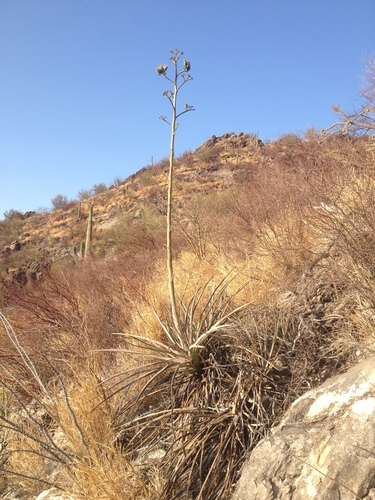
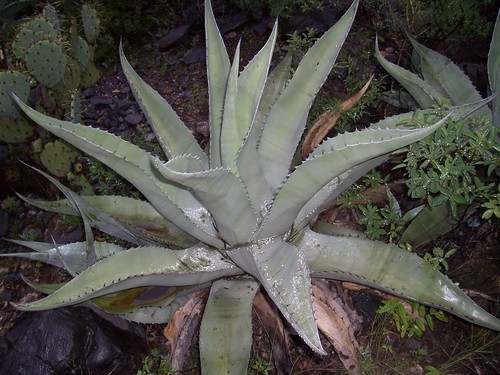
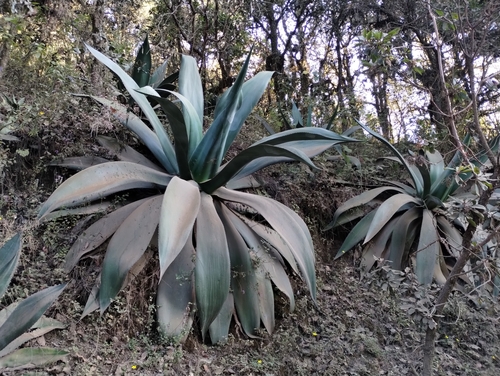
An erect plant with a bulb. The bulb is oval and 3-6 cm across. The leaves occur as 6-9 leaves in a rose shaped arrangement. They are smooth and shiny and like a narrow sword. The flowers are in a loose cluster around a central stem. The individual flowers are yellowish green and with a long stalk. The fruit are round capsules. Inside are flat black shiny seeds. These are 8 mm across.
How to Grow
Grows best in a sunny position. Prefers a well-drained, light soil rich in humus. The bulbs are considered to be poisonous.
Propagation: Seed - Offsets.
Medicinal Uses
An important food of the Bushmen.
Other Information
An important food of the Bushmen.
Notes
They have also been put in the families Hyacinthaceae and Liliaceae.
Names & Synonyms
Govo, Igwashe
References (17)
- FAO, 1988, Traditional Food Plants, FAO Food and Nutrition Paper 42. FAO Rome p 249
- Ferns, Useful Tropical Plants
- Fowler, D. G., 2007, Zambian Plants: Their Vernacular Names and Uses. Kew. p 86
- Fox, F. W. & Young, M. E. N., 1982, Food from the Veld. Delta Books. p 250
- Grivetti, L. E., 1980, Agricultural development: present and potential role of edible wild plants. Part 2: Sub-Saharan Africa, Report to the Department of State Agency for International Development. p 70 (As Dipcadi magnum)
- Heinz & Maguire, 1974,
- Lee, 1979,
- J. Linn. Soc., Bot. 11:401. 1871
- Marshall, 1976,
- Peters, C. R., O'Brien, E. M., and Drummond, R.B., 1992, Edible Wild plants of Sub-saharan Africa. Kew. p 30
- Plowes, N. J. & Taylor, F. W., 1997, The Processing of Indigenous Fruits and other Wildfoods of Southern Africa. in Smartt, L. & Haq. (Eds) Domestication, Production and Utilization of New Crops. ICUC p 190 (As Dipcadi glaucanum)
- Royal Botanic Gardens, Kew (1999). Survey of Economic Plants for Arid and Semi-Arid Lands (SEPASAL) database. Published on the Internet; http://www.rbgkew.org.uk/ceb/sepasal/internet [Accessed 16th April 2011]
- Ruiters-Welcome, A. K., 2019, Food plants of southern Africa. Ph.D. thesis. Univ. of Johannesburg p 65
- Scudder, 1971,
- Story, 1958,
- Welcome, A. K. & Van Wyk, B.-E., 2019, An inventory and analysis of the food plants of southern Africa. South African Journal of Botany 122 (2019) 136–179
- World Checklist of Useful Plant Species 2020. Royal Botanic Gardens, Kew