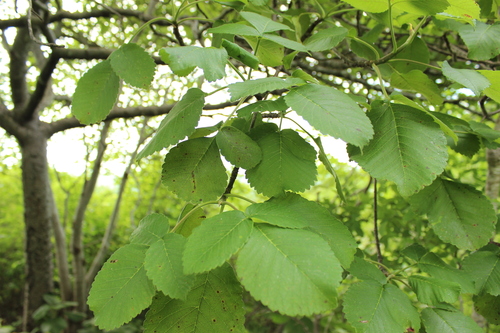
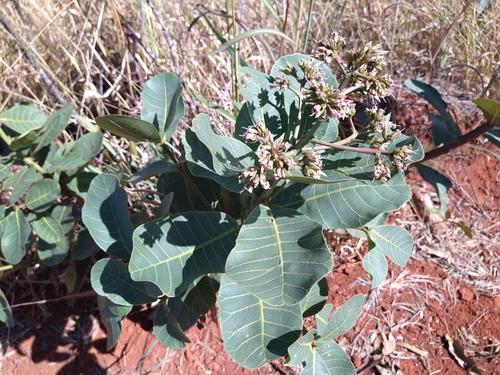
Cyrtocarpa procera
Kunth
Chupadilla, Jocote
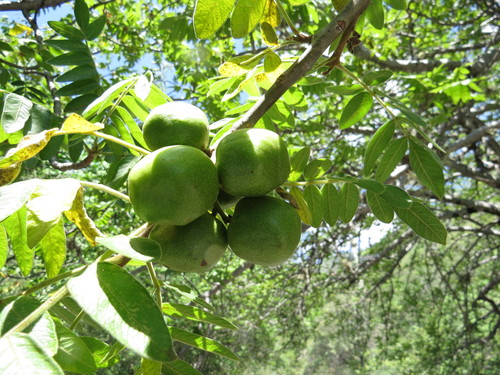
(c) Leticia Soriano Flores, some rights reserved (CC BY-NC), uploaded by Leticia Soriano Flores

(c) betorquato, some rights reserved (CC BY-NC)
What to Eat
Edible parts: Fruit, Bark
The fruit are eaten raw and are popular in cultivation. The bark is also listed as edible.
Where to Find It
A tropical plant. It grows up to 1,200 m above sea level. It grows in regions with a distinct wet and dry season.
Mexico*, North America,
How to Identify
A tropical tree growing to 6 m tall, native to regions with distinct wet and dry seasons at elevations up to 1,200 m, producing small yellow fruit about 2 cm long.
How to Grow
A plant of the tropics, growing in areas where there is a distinct wet and dry season each year.
Medicinal Uses
The small yellow fruit of the tree is edible, growing 2 centimeters in length. The fruit is resinous and has an acid flavor. It is popularly eaten in Mexico today. The seeds of the fruit have been used in traditional medicine, including taking of them internally for treatment of leprosy. Various other parts of the plant have also been used for treating fevers, diarrhea, and dysentery. The wood is purplish in color and has a strong scent. It is used for making trays and small images. The bark can be used as a substitute for soap
Other Uses
The bark can be used as a substitute for soap. The soft, purplish wood has a strong scent. It is used for trays and making small images.
Wikipedia
Source ↗The Chupandia (Cyrtocarpa procera) is a tropical species of tree in the sumac family which is found throughout Mexico. It has been cultivated since ancient times, and its edible fruit is still popular in Mexico today. Its bark is used as a substitute for soap. It is a fast-growing tree and can reach a height of 6 meters.
Production
Trees take 5-10 years before fruiting.
Other Information
The fruit are popular. It is a cultivated plant.
Names & Synonyms
Baricoca, Capaleocate, Chupandio, Coco de cerro
References (13)
- Arellanes, Y., 2013, Influence of traditional markets on plant management in the Tehuacan Valley. Journal of Ethnobiology and Ethnomedicine 9:38
- Bioversity New World Fruits Database
- Casas, A., et al, 1996, Plant Management Among the Nahua and the Mixtec in the Balsas River Basin, Mexico: An Ethnobotanical Approach to the Study of Plant Domestication. Human Ecology, Vol. 24, No. 4 pp. 455-478
- Gonzalez-Insuasti, M. S. and Caballero, J., 2007, Managing Plants Resources: How Intensive Can it be? Human Ecology, 35:303-314
- Gonzalez-Insuasti, M. S., et al, 2011, Intra-cultural Differences in the Importance of Plant Resources and Their Impact on Management Intensificaton in the Tehuacan Vallet, Mexico. Human Ecology 39:191-202
- Hermandez Bermejo, J.E., and Leon, J. (Eds.), 1994, Neglected Crops. 1492 from a different perspective. FAO Plant Production and Protection Series No 26. FAO, Rome. p 30
- Mabberley, D.J. 1990. The plant-book: a portable dictionary of the higher plants. Cambridge University Press. NY.
- Martinez-Elizalde, K. S., et al, 2015, Evaluation of the medicinal properties of Cyrtocarpa procera Kunth fruit extracts. BMC Complementary and Alternative Medicine. 15:74
- Rangel-Landa, S., et al, 2017, Sociocultural and ecological factors influencing management of edible and non-edible plants: the case of Ixcatlan, Mexico. Journal of Ethnobiology and Ethnomedicine. 13:59
- Segura, S. et al, 2018, The edible fruit species in Mexico. Genet Resour Crop Evol (2018) 65:1767–1793
- Smith, N., Mori, S.A., et al, 2004, Flowering Plants of the Neotropics. Princeton. p 16
- F. W. H. A. von Humboldt et al., Nov. gen. sp. 7:16[folio]; 7:20[quarto], t. 609. 1824
- World Checklist of Useful Plant Species 2020. Royal Botanic Gardens, Kew