Sideroxylon capiri subsp. tempisque
(Pittier) T. D. Pennington
Mastic, Sapotilla, Tempisque
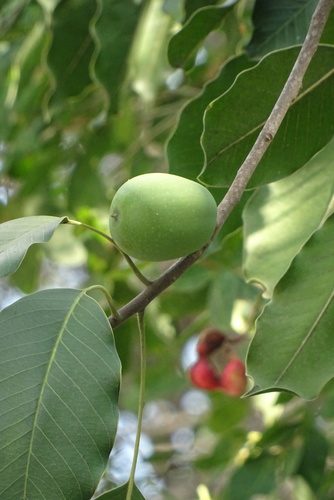
(c) Sunashi Elizabeth Vázquez Arceo, some rights reserved (CC BY-NC-SA), uploaded by Sunashi Elizabeth Vázquez Arceo
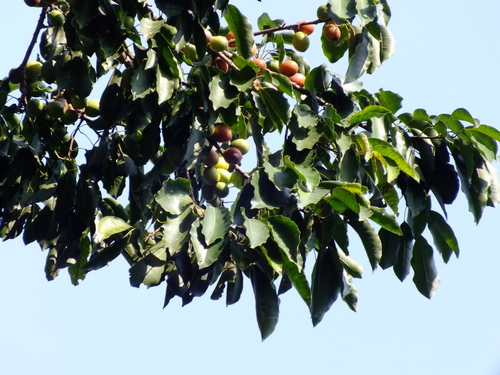
(c) Gualberto Perez, some rights reserved (CC BY-NC), uploaded by Gualberto Perez

(c) nasua, some rights reserved (CC BY-NC), uploaded by nasua
What to Eat
Edible parts: Fruit, Leaves
The fruit and leaves are edible and consumed fresh.
Where to Find It
It is a tropical plant. It grows in seasonal semi-deciduous forest. It grows from sea level to 1500 m altitude.
Belize, Central America, Colombia, Costa Rica, El Salvador, Grenada, Guatemala, Honduras, Mexico, Nicaragua, North America, Panama, South America, Trinidad and Tobago, Venezuela,
How to Identify
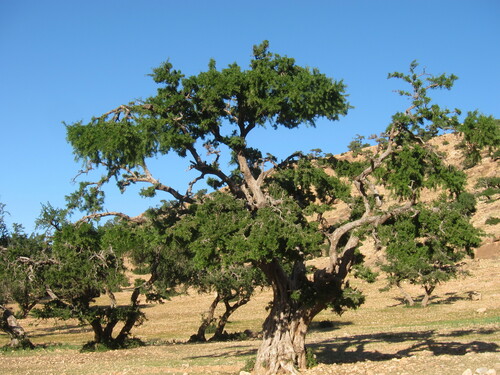
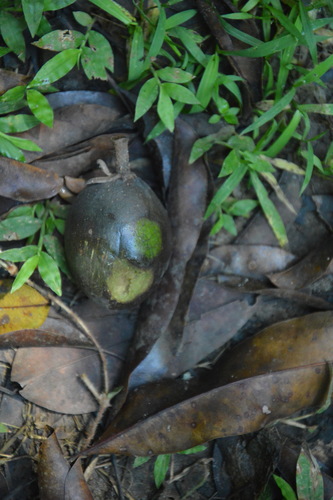
A tree which loses its leaves. It grows 35 m high. The trunk can be 120 cm across. It has stout, simple buttresses to 2.5 m high. The bark is pale with slight cracks. The young leaves and shoots do not have hairs. The flowers are greenish-yellow. The fruit are green. They turn yellow or violet as they ripen.
Names & Synonyms
Acana, Casaguate, Cobac, Cosaguite, Danto amarilla, Maceta, Tempisque, Tempiste, Tempixte
References (6)
- Grandtner, M. M., 2008, World Dictionary of Trees. Wood and Forest Science Department. Laval University, Quebec, Qc Canada. (Internet database http://www.wdt.qc.ca)
- Grandtner, M. M. & Chevrette, J., 2013, Dictionary of Trees, Volume 2: South America: Nomenclature, Taxonomy and Ecology. Academic Press p 603
- Kermath, B. M., et al, 2014, Food Plants in the Americas: A survey of the domesticated, cultivated and wild plants used for Human food in North, Central and South America and the Caribbean. On line draft. p 801
- Pennington, T.D., 1990, Sapotaceae in Flora Neotropica Monograph 52. New York Botanical Gardens. p 158
- Fl. Neotrop. Monogr. 52:158. 1990
- Segura, S., et al, 2018, The edible fruit species in Mexico. Genet Resour Crop Evol (2018) 65:1767–1793