Pouteria gomphiifolia
(Martius ex Miq.) Radlkofer
Abiurana de baixo

MBG

MBG

MBG
What to Eat
Edible parts: Fruit
The fruit is eaten.
Where to Find It
A tropical plant. It grows from sea level to 250 m above sea level in flooded areas.
Amazon, Brazil, Colombia, Peru, South America, Venezuela,
How to Identify
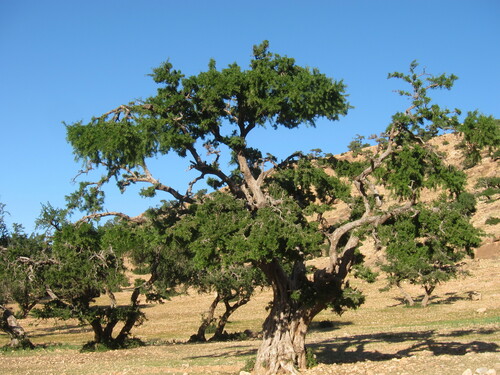
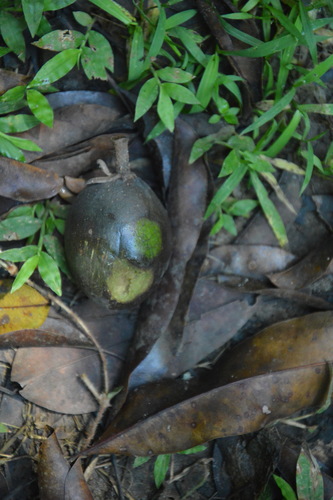
A tree. It grows 30 m tall. The trunk can be 80 cm across. It can have buttresses 1 m high. The leaves are in loose clusters and are arranged in spirals. They are 6-20 cm long by 2-6 cm wide. They are broadly sword shaped. The flowers are in groups of 3-10. They are in the axils of leaves or below the leaves. The flowers are green. The fruit are 5-6 cm long. They turn yellow to orange as they ripen.
Production
Flowering occurs June to October and fruit ripen May to July.
Notes
There are about 150-320 Pouteria species. They grow in the tropics.
Names & Synonyms
Abiurana do igapo, Abiurana maparajuba, Abiurana streita, Caimitillo, Macaranduba, Massaranduba, Quinilla, Quinilla amarilla, Temarito rebalsero
References (5)
- Grandtner, M. M. & Chevrette, J., 2013, Dictionary of Trees, Volume 2: South America: Nomenclature, Taxonomy and Ecology. Academic Press p 526
- Kermath, B. M., et al, 2014, Food Plants in the Americas: A survey of the domesticated, cultivated and wild plants used for Human food in North, Central and South America and the Caribbean. On line draft. p 690
- Pennington, T.D., 1990, Sapotaceae in Flora Neotropica Monograph 52. New York Botanical Gardens. p 463
- Roa, J. A. G. & Boada, D. S. G., 2018, Fundación para el Fortalecimiento de la Fruticultura y Plantas Alimenticias no Convencionales en Colombia.
- Van Roosmalen, M.G.M., & Garcia, O. M., 2000, Fruits of the Amazonian Forest. Part 2: Sapotaceae. Acta Amazonica 30(2): 187-290