Agave wocomahi
Gentry
Wocomahi
AsparagaceaeFlowers

iNaturalist · cc-by-nc
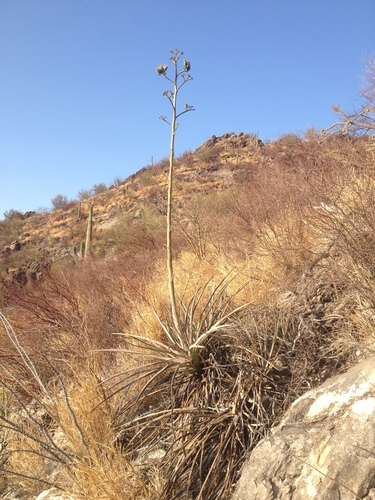
(c) rolandomp, some rights reserved (CC BY-NC), uploaded by rolandomp
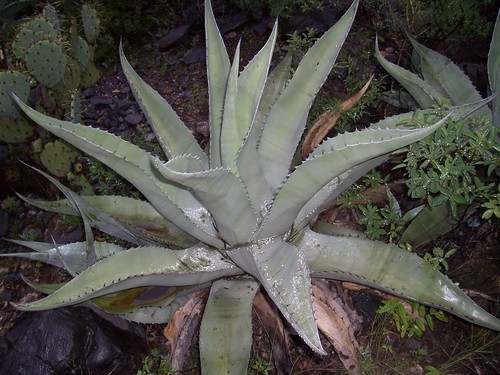
(c) rolandomp, some rights reserved (CC BY-NC), uploaded by rolandomp
iNaturalist · cc-by-sa
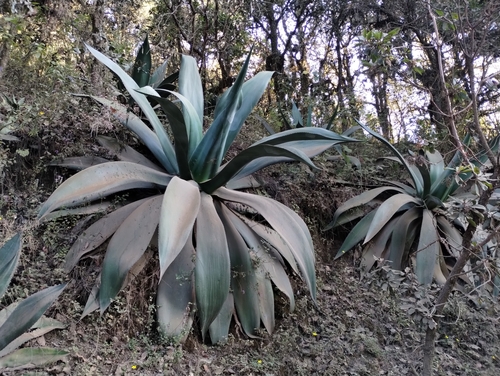
(c) M. Socorro González Elizondo, some rights reserved (CC BY-SA), uploaded by M. Socorro González Elizondo
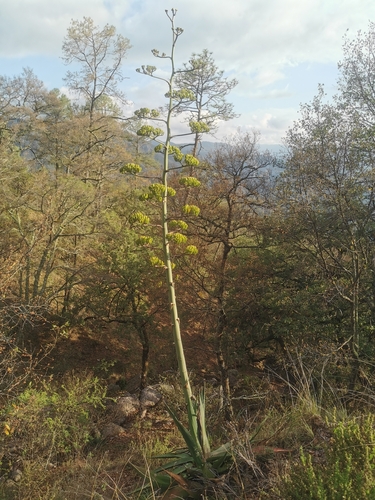
(c) M. Socorro González Elizondo, some rights reserved (CC BY-SA), uploaded by M. Socorro González Elizondo
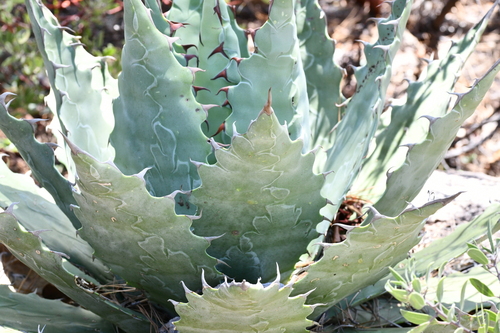
iNaturalist · cc-by-nc
(c) Carlos G Velazco-Macias, some rights reserved (CC BY-NC), uploaded by Carlos G Velazco-Macias
(c) Carlos G Velazco-Macias, some rights reserved (CC BY-NC), uploaded by Carlos G Velazco-Macias
What to Eat
Edible parts: Flowers, Growing tip
The flowers are cooked and eaten like a squash. The growing tip is also edible.
Where to Find It
It is a tropical plant.
Central America, Mexico, North America,
Countries: Antigua & Barbuda, Barbados, Bahamas, Belize, Canada, Costa Rica, Cuba, Dominica, Dominican Republic, Grenada, Guatemala, Honduras, Haiti, Jamaica, St Kitts & Nevis, St Lucia, Mexico, Nicaragua, Panama, Puerto Rico, El Salvador, Trinidad & Tobago, United States, St Vincent
How to Identify
An agave in the Asparagaceae family, found in tropical regions.
Notes
There are about 250 Agave species. The Agavaceae are mostly in the tropics and subtropics.
References (5)
- Altschul, S.V.R., 1973, Drugs and Foods from Little-known Plants. Notes in Harvard University Herbaria. Harvard Univ. Press. Massachusetts. no. 406
- Kermath, B. M., et al, 2014, Food Plants in the Americas: A survey of the domesticated, cultivated and wild plants used for Human food in North, Central and South America and the Caribbean. On line draft. p 35
- Nugent, J., 1999, Agaves and cacti., Permaculture plants. Sustainable Agriculture Research Institute. PO Box 10, Nanup, WA, 6275
- Publ. Carnegie Inst. Wash. 527:96. 1942
- World Checklist of Useful Plant Species 2020. Royal Botanic Gardens, Kew