Berberis longipes
(Standl.) Marroq. & Laferr.
BerberidaceaeFruit
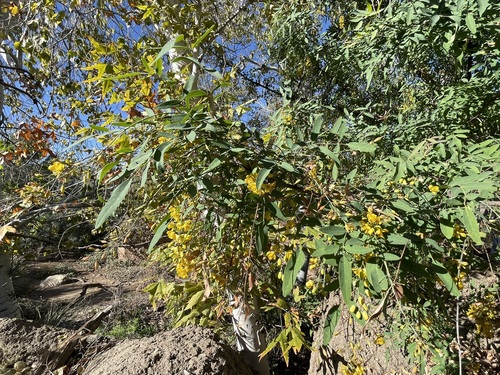
iNaturalist · cc-by-sa
(c) lejones417, some rights reserved (CC BY-SA)
(c) lejones417, some rights reserved (CC BY-SA)

iNaturalist · cc-by-nc
(c) Eric Hough, some rights reserved (CC BY-NC)
(c) Eric Hough, some rights reserved (CC BY-NC)

iNaturalist · cc-by-nc
(c) Eric Hough, some rights reserved (CC BY-NC)
(c) Eric Hough, some rights reserved (CC BY-NC)
What to Eat
Edible parts: Fruit
The fruit are edible.
Where to Find It
It is a tropical plant.
Central America, Mexico, North America,
Countries: Antigua & Barbuda, Barbados, Bahamas, Belize, Canada, Costa Rica, Cuba, Dominica, Dominican Republic, Grenada, Guatemala, Honduras, Haiti, Jamaica, St Kitts & Nevis, St Lucia, Mexico, Nicaragua, Panama, Puerto Rico, El Salvador, Trinidad & Tobago, United States, St Vincent
How to Identify
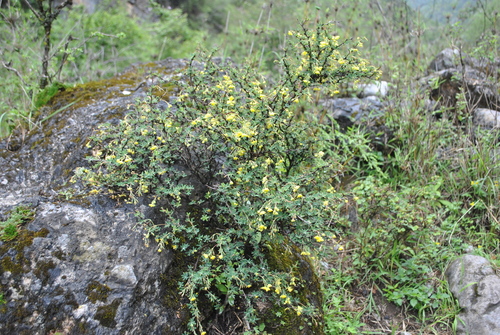
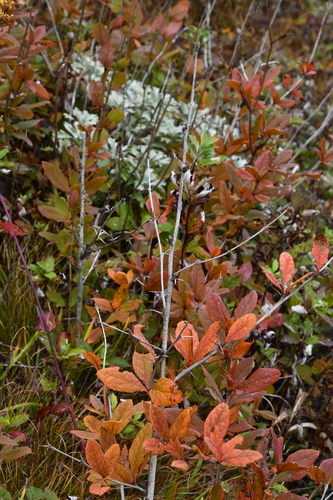
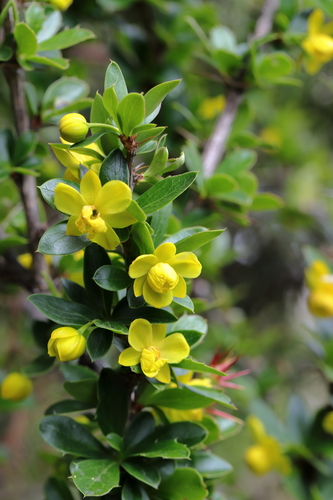
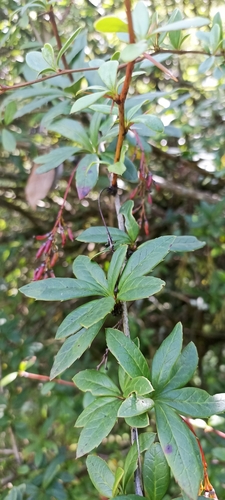
A tropical shrub in the Berberidaceae family with blue/black fruit.
Wikipedia
Source ↗Berberis longipes is a shrub in the family Berberidaceae, first described in 1918. It is native to the States of Durango, Sinaloa, Sonora, and Chihuahua in Mexico.
Notes
There are about 450-500 Berberis species.
References (2)
- Altschul, S.V.R., 1973, Drugs and Foods from Little-known Plants. Notes in Harvard University Herbaria. Harvard Univ. Press. Massachusetts. no. 981
- Yetman, D., 2002, The Guarijios of the Sierra Madre: Hidden People of Northwestern Mexico. University of New Mexico Press. p 184