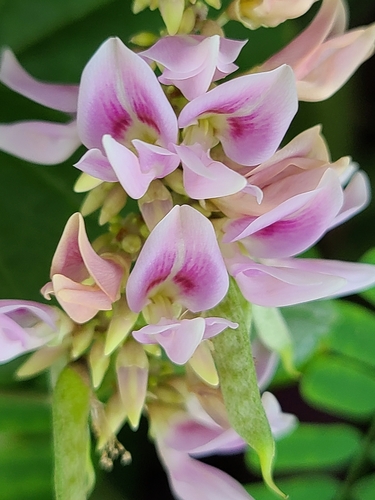
Inga vera subsp. eriocarpa
(Benth.) J. Leon
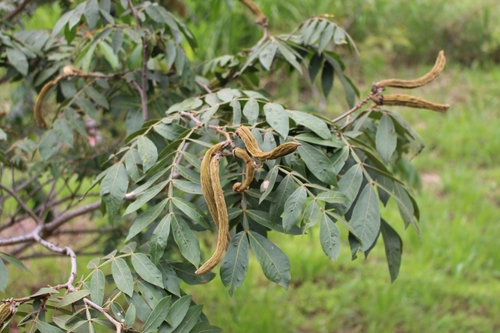
FabaceaeFruit
iNaturalist · cc0
no rights reserved, uploaded by Jake Rehage
no rights reserved, uploaded by Jake Rehage

iNaturalist · cc-by
(c) Daniel Pineda Vera, some rights reserved (CC BY), uploaded by Daniel Pineda Vera
(c) Daniel Pineda Vera, some rights reserved (CC BY), uploaded by Daniel Pineda Vera
iNaturalist · cc-by
(c) Francisco Emilio Roldán Velasco, some rights reserved (CC BY), uploaded by Francisco Emilio Roldán Velasco
(c) Francisco Emilio Roldán Velasco, some rights reserved (CC BY), uploaded by Francisco Emilio Roldán Velasco
What to Eat
Edible parts: Fruit, Pods
The fruit and pods are edible.
Where to Find It
A tropical plant.
Central America, Mexico, North America,
Countries: Antigua & Barbuda, Barbados, Bahamas, Belize, Canada, Costa Rica, Cuba, Dominica, Dominican Republic, Grenada, Guatemala, Honduras, Haiti, Jamaica, St Kitts & Nevis, St Lucia, Mexico, Nicaragua, Panama, Puerto Rico, El Salvador, Trinidad & Tobago, United States, St Vincent
How to Identify
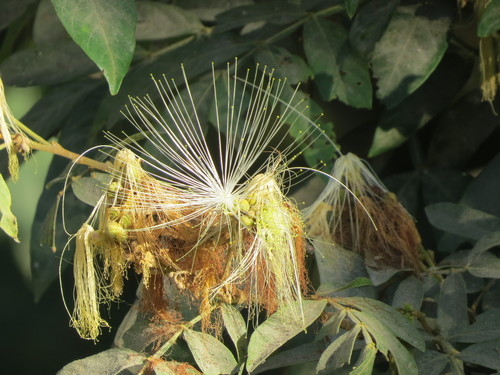
A tropical tree bearing long fruit pods in the Fabaceae family. It propagates easily from fresh seeds, which germinate within 1-2 weeks when given moisture and shade.
How to Grow
Plants grow easily from fresh seeds. Seeds germinate in 1-2 weeks given moisture and shade.
Wikipedia
Source ↗Inga vera is a species of tropical tree in the family Fabaceae. It occurs in Central and South America, where it is known as churimo, guamo churimo, guamo arroyero and guamo macho.
Notes
There are 350 Inga species. Also as Mimosaceae.
Names & Synonyms
Joanquinaquil
Inga eriocarpa Benth.Inga oophylla Riley
References (4)
- Altschul, S.V.R., 1973, Drugs and Foods from Little-known Plants. Notes in Harvard University Herbaria. Harvard Univ. Press. Massachusetts. no. 1507
- Ann. Missouri Bot. Gard. 53:338. 1966
- ILDIS Legumes of the World http:www;ildis.org/Legume/Web
- Reis, S. V. and Lipp, F. L., 1982, New Plant Sources for Drugs and Foods from the New York Botanical Garden herbarium. Harvard. p 115