Atriplex californica
Moq.
California Saltbush
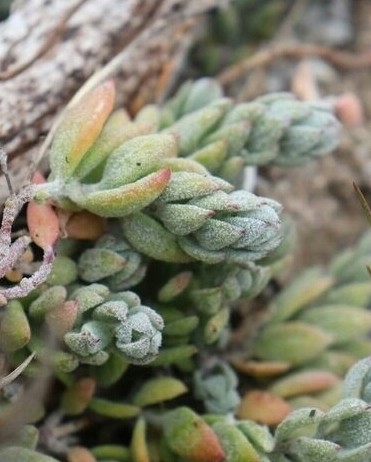
(c) yerbasanta, some rights reserved (CC BY-NC)
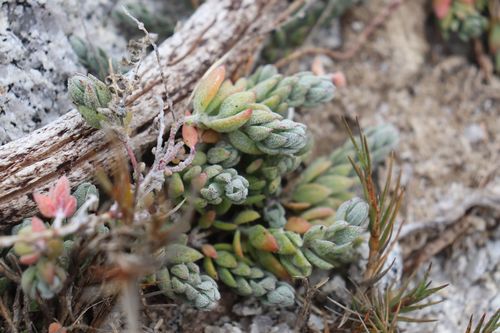
(c) yerbasanta, some rights reserved (CC BY-NC)

(c) b-hustle33, some rights reserved (CC BY-NC)
What to Eat
Edible parts: Leaves, Seeds
Edible Parts: Leaves Seed Edible Uses: Leaves - cooked. Seed - cooked. Used as a piñole. The seeds are 1 - 2mm in diameter.
Known Hazards
Where to Find It
It is a temperate plant.
North America, USA,
How to Identify
Perennial herb reaching 0.1 m tall, growing at medium rate. Flowers July to August with seeds ripening August to October. Wind-pollinated, monoecious, and self-fertile. Tolerates light sandy and medium loamy soils, prefers well-drained conditions and poor soils. Adapts to mildly acid through very alkaline and saline soils. Requires full sun and tolerates both dry and moist conditions plus drought. Tolerates maritime exposure. Hardy to UK zone 8. Noted for attracting wildlife.
How to Grow
Succeeds in full sun in any well-drained but not too fertile soil. Most species in this genus tolerate saline and very alkaline soils. Succeeds in a hot dry position. This species is not hardy in the colder areas of the country, it tolerates temperatures down to between -5 and -10°c. Saltbush can be harvested for forage throughout the growing season, typically in late spring to early autumn. Saltbush generally flowers in late summer to early autumn, depending on the specific species and growing conditions. Saltbush species are typically slow to moderate in growth, depending on the environmental conditions, but can establish well in poor soils. The plant may be monoecious or dioecious, with some plants having both male and female flower types, and others having just one.
Propagation: Seed - sow April/May in a cold frame. Germination usually takes place within 1 - 3 weeks at 13°c. As soon as they are large enough to handle, prick the seedlings out into individual pots and plant them out into their permanent positions in the summer.
Medicinal Uses
None known
Other Uses
Saltbush is often used for erosion control, as a windbreak, and for soil stabilization. Its high salt tolerance makes it suitable for saline soils, and it can be used as forage for livestock. 1. Nectary - Flowers rich in nectar and pollen: No – Saltbush is wind-pollinated, so it doesn’t produce nectar-rich flowers to attract pollinators. 2. Wildlife - Food (Fruit, Seeds, Leaf litter, Shelter, Nesting, Roosting): Yes – Saltbush provides food for wildlife through its seeds and foliage. It is an important food source for herbivores like birds and small mammals. The dense, bushy form also provides shelter and cover for nesting birds and other small animals. 3. Invertebrate Shelter (Overwintering sites, Leaf litter, Groundcover): Yes – The dense, shrubby growth of Saltbush offers good ground cover for invertebrates, and the fallen leaves can serve as shelter and overwintering sites for beneficial insects. 4. Pest Confuser (Smell): No – Saltbush does not have a strong aromatic smell that repels pests, so it is not typically used as a pest confuser. Special Uses
Wikipedia
Source ↗Perennial herb reaching 0.1 m tall, growing at medium rate. Flowers July to August with seeds ripening August to October. Wind-pollinated, monoecious, and self-fertile. Tolerates light sandy and medium loamy soils, prefers well-drained conditions and poor soils. Adapts to mildly acid through very alkaline and saline soils. Requires full sun and tolerates both dry and moist conditions plus drought. Tolerates maritime exposure. Hardy to UK zone 8. Noted for attracting wildlife.
Notes
There are about 100-300 Atriplex species. They have also been put in the family Chenopodiaceae.
Names & Synonyms
Extriplex californica. California saltbush or California orache.
References (2)
- Beckstrom-Sternberg, Stephen M., and James A. Duke. "The Foodplant Database." http://probe.nalusda.gov:8300/cgi-bin/browse/foodplantdb.(ACEDB version 4.0 - data version July 1994)
- Plants for a Future database, The Field, Penpol, Lostwithiel, Cornwall, PL22 0NG, UK. http://www.scs.leeds.ac.uk/pfaf/