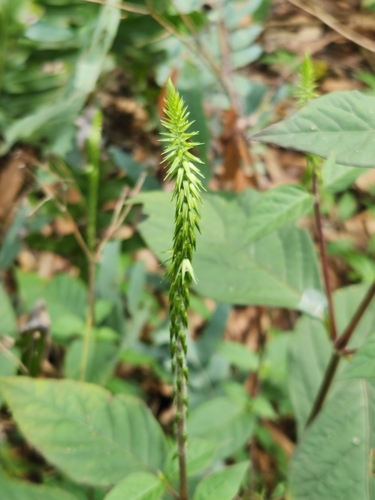
Atriplex elegans
(Moq.) D. Dietr.
Wheelscale saltbush
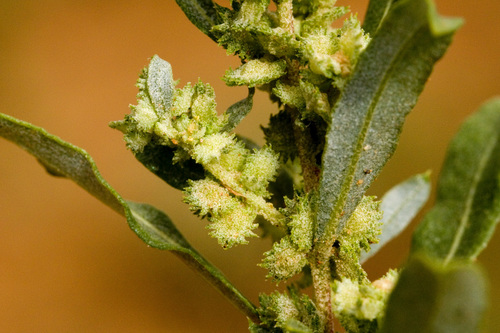
no rights reserved
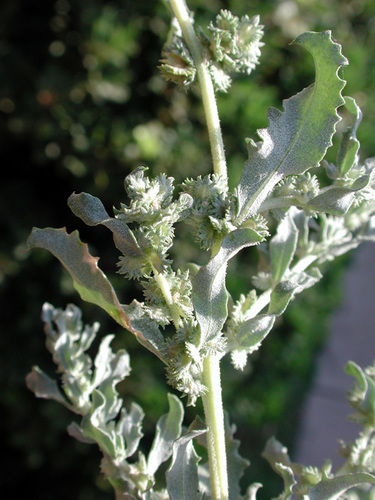
(c) Pompilid, some rights reserved (CC BY-SA)
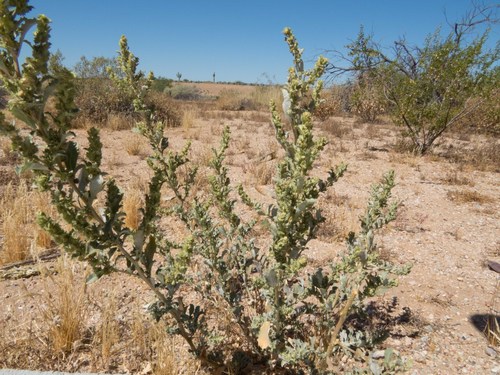
(c) Steve Jones, some rights reserved (CC BY-NC), uploaded by Steve Jones
What to Eat
Edible parts: Leaves, Seeds
Edible Parts: Leaves Seed Edible Uses: Edible uses & rating: Leaves (fresh in small amounts or better cooked), seeds likely edible (not emphasized). Edibility rating: 3/5. Taste & processing notes: Leaves of any age are mild for the genus; trace bitterness but not harsh/salty. Makes an excellent potherb; strip leaves quickly from stems. Season/harvest: Blooms spring–autumn; gather greens young [2-3]. Leaves - cooked. They are boiled as a salty flavouring with other foods. Seed - used in piñole or ground into a meal and used as a thickener in soups and stews, or mixed with cereal flours to enhance their nutritional value when making bread, biscuits, cakes etc. The seeds are about 1 - 1.5mm wide.
Where to Find It
It is a temperate plant.
North America, USA,
How to Identify
Atriplex elegans is a compact annual growing to 0.2 m tall. It flowers from July through September with seeds ripening August to October. The plant is monoecious and wind-pollinated, thriving in light sandy to medium loamy, well-drained soils that may be nutrient-poor. It tolerates mildly acidic through basic soils, including highly alkaline and saline conditions. Full sun is required; both drought and moist soils are acceptable.
How to Grow
Plants can be grown by seed or cuttings.
Propagation: Direct sow; germinates fast in warm soils. Germination is usually rapid.
Medicinal Uses
None known
Other Uses
Wildlife/ecology: Seeds for small birds; quick pioneer on bare saline ground. Special Uses
Wikipedia
Source ↗Atriplex elegans is a species of saltbush known by the common name wheelscale saltbush, Mecca orach, or wheelscale. It is native to the Southwestern United States, and northern Mexico, where it grows in areas of saline or alkaline soils, such as alkali flats and desert dry lakebeds.
Notes
There are about 100-300 Atriplex species. They have also been put in the family Chenopodiaceae.
Names & Synonyms
References (2)
- Beckstrom-Sternberg, Stephen M., and James A. Duke. "The Foodplant Database." http://probe.nalusda.gov:8300/cgi-bin/browse/foodplantdb.(ACEDB version 4.0 - data version July 1994)
- Plants for a Future database, The Field, Penpol, Lostwithiel, Cornwall, PL22 0NG, UK. http://www.scs.leeds.ac.uk/pfaf/