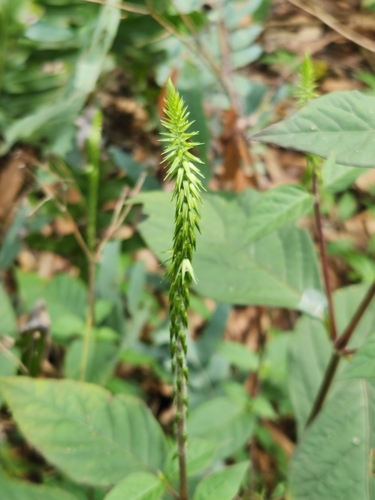
Atriplex polycarpa
(Torr.) Watson
All scale
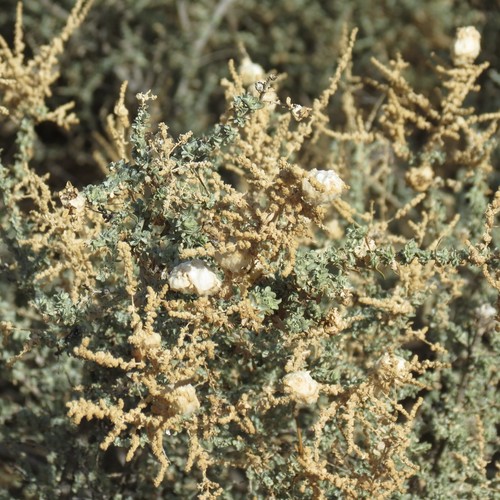
(c) C. Mallory, some rights reserved (CC BY-NC), uploaded by C. Mallory
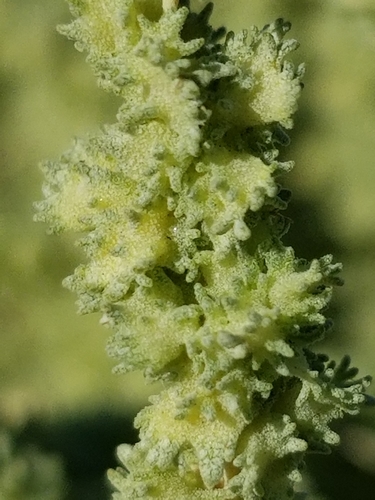
no rights reserved, uploaded by Rod
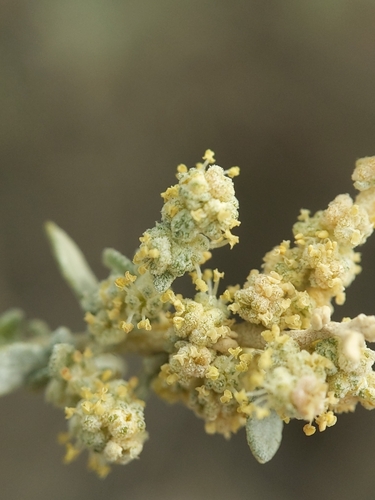
(c) Daniel Donovan, some rights reserved (CC BY-NC), uploaded by Daniel Donovan
What to Eat
Edible parts: Seeds
Fresh leaves are much too acrid to consume; even with multiple changes of boiling water, they are barely palatable. Initial boils produce thick foam; continue boiling and changing the water until the foam subsides. Texture becomes acceptable, flavor remains poor (“spinach-like” notes overwhelmed by distasteful characteristics). Seeds have a starchy base with salty, woody, and terribly acrid overtones - also poor [2-3]. Edible Uses & Rating: Parts used: Leaves (historically boiled as greens), seeds (used when other foods were scarce). Edibility rating: 1/5 (emergency only). Hopi references mention leaves cooked as greens; ancestral use of the seeds during scarcity. Taste, Processing & Kitchen Notes: Leaves: Mandatory processing: Finely chop - boil hard - discard liquor - repeat until no foam; do not add directly to soups (they will taint the pot). Expect only marginal palatability after full treatment. Portion size: Small; irritating compounds (oxalates/saponins/nitrates) can provoke throat/mouth discomfort. Seeds: Harvest - Shake or strip utricles when dry in autumn; expect chaff and insect-damaged seeds. Processing: Thresh/winnow - boil (often two water changes) or toast, then boil to moderate acridity. Even with care, the flavor typically remains unpleasant. Safety & Cautions (Food Use): Chemistry: Leaves commonly accumulate oxalates, saponins, nitrates (and other salts). Processing is mandatory: Leaves: Finely chop - vigorous boil - discard liquor - repeat until foam stops; even then, expect poor flavor and potential irritation—do not use as soup greens. Seeds: Thresh/winnow - boil (often two water changes) or toast then boil to reduce harshness; results remain marginal. Who should avoid: Individuals with a kidney-stone history (oxalates) or on nitrate-sensitive meds should avoid this plant as food. Recommendation: Treat as non-food for routine use; survival/emergency only. Bottom line: This species is not recommended for routine foraging; reserve for survival scenarios [2-3]. Look-Alikes & Confusion Risks: Other Atriplex shrubs (e.g., A. canescens, A. lentiformis)—similar gray scurf and salty leaves; all share the same cautions. Allenrolfea occidentalis (picklebush)—jointed fleshy stems rather than leafy shoots; different genus and use profile.
Where to Find It
It is a temperate plant.
Mexico, North America, USA,
How to Identify
An evergreen shrub growing to 1 m tall and wide at medium rate, hardy to UK zone 9 and not frost-tender. Wind-pollinated with inconspicuous flowers. Grows in light sandy to medium loamy soils, tolerates very alkaline and saline conditions, prefers well-drained soil, and cannot grow in shade. Tolerates drought and has a deep, wide-spreading root system excellent for soil stabilization.
How to Grow
Plants can be grown by seed or cuttings.
Propagation: Seed: Collect dry utricles in late summer–autumn; dry further, then thresh and winnow. Dormancy: Variable; best results from fall sowing (natural cold/moist after-ripening) or 4–8 weeks cold-moist stratification before spring sowing. Sowing: Broadcast on the surface or barely cover (light helps), keep just moist until germination; avoid over-watering. Cuttings: Semi-ripe to semi-hardwood tip cuttings in warm weather with auxin and intermittent mist root fairly well; useful for clonal hedging. Direct seeding for restoration: Excellent; scratch in lightly on saline/alkaline sites prior to winter moisture. Site prep: Minimal; avoid soil amendments—fertility can increase nitrate/oxalate accumulation in leaves. Irrigation: Establish with light, infrequent watering; after year 1, water deeply but rarely (e.g., monthly in the hottest season if you want faster growth). Over-irrigation encourages lush, weak growth and higher nitrate loads. Nutrition: Do not fertilize; the plant is adapted to lean soils. Pruning: Light shaping only; avoid hard cuts into old wood. Containers: Not recommended beyond short-term nursery culture; wants root run and mineral soils.
Medicinal Uses
None Known
Other Uses
Design uses: Windbreak/hedge, glare and heat-tolerant plants for desert plantings, saline bioswale edges, stabilization of alkali flats. It is outstanding for erosion control, wildlife cover, and site reclamation, but it is not a suitable food source for humans. Roots: Deep, wide-spreading root system; excellent soil binder in loose, salty substrates. Ecology & Wildlife: Cover: Dense branching offers nesting and refuge for small birds and desert mammals. Forage (wildlife/livestock): Browsed sparingly (secondary forage); high salts/oxalates limit intake. Soil: Strong salinity and alkalinity tolerance, erosion control, and rhizosphere salt sequestration via bladder hairs; valuable in reclamation of saline road margins, tailings, and alkali sinks. Pollination: Primarily wind-pollinated (inconspicuous flowers). Companions (desert guilds): Creosote bush (Larrea), bursage (Ambrosia dumosa), saltbush guilds (Atriplex spp.), iodine bush (Allenrolfea), saltgrass (Distichlis), seepweed (Suaeda). Special Uses
Wikipedia
Source ↗Atriplex polycarpa, the allscale, (or all-scale) cattle spinach, allscale saltbush, or cattle saltbush, is a plant in the family Amaranthaceae. It is native to the Southwestern United States, California, and northern Mexico. This species blooms in July and August.
Notes
There are about 100-300 Atriplex species. They have also been put in the family Chenopodiaceae.
Names & Synonyms
References (5)
- CURTIN,
- Kermath, B. M., et al, 2014, Food Plants in the Americas: A survey of the domesticated, cultivated and wild plants used for Human food in North, Central and South America and the Caribbean. On line draft. p 104
- MINNIS,
- Proc. Amer. Acad. Arts 9:117. 1874
- World Checklist of Useful Plant Species 2020. Royal Botanic Gardens, Kew