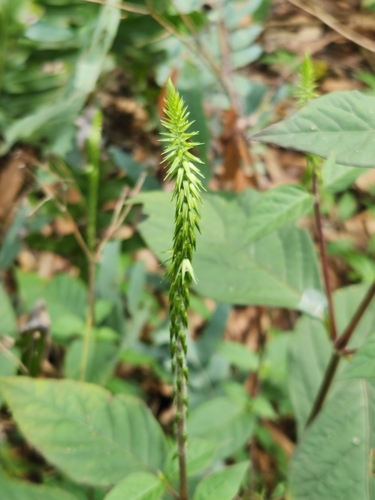
Atriplex repens
Roth.
Pu fu bin li
AmaranthaceaeLeaves
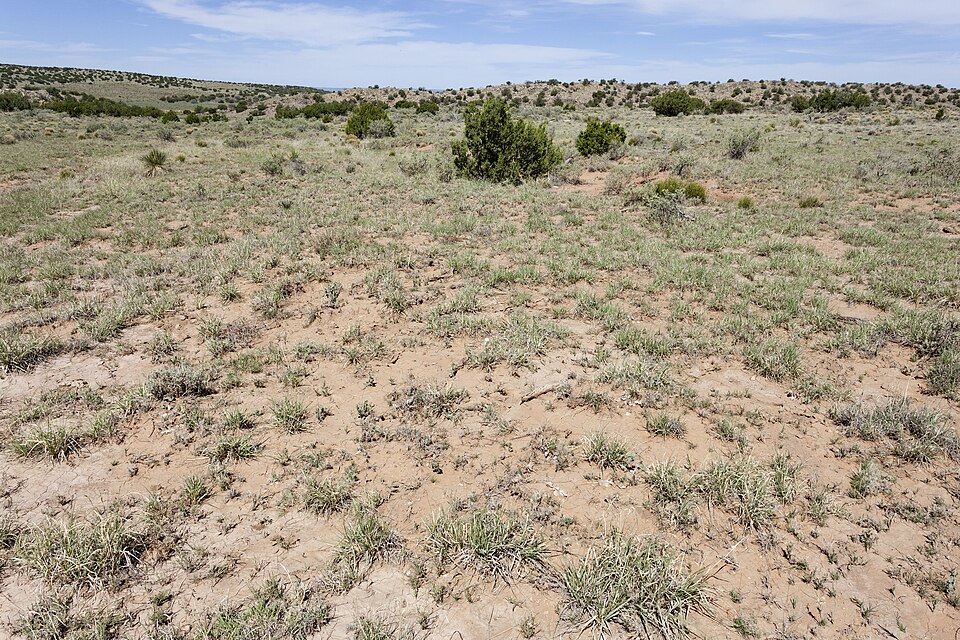
wikimedia · cc0
Wikimedia Commons - Patrick Alexander from Las Cruces, NM
Wikimedia Commons - Patrick Alexander from Las Cruces, NM
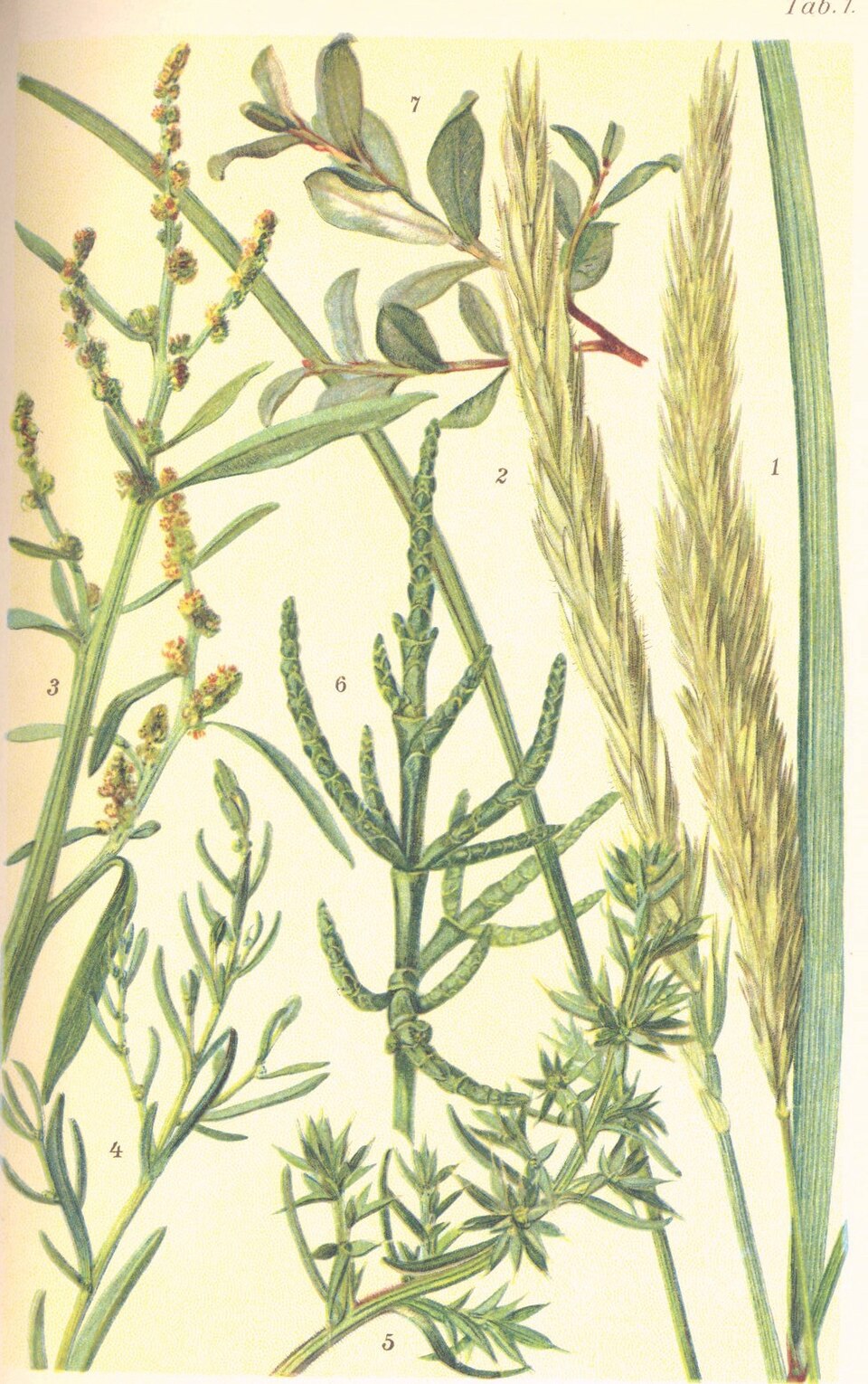
wikimedia · cc0
Wikimedia Commons - Maurice Charles Pierre Langeron
Wikimedia Commons - Maurice Charles Pierre Langeron
What to Eat
Edible parts: Leaves, Vegetable
The leaves are eaten as a vegetable.
Where to Find It
It grows in tropical and subtropical places. It grows in open sandy areas of beaches.
Afghanistan, Asia, China, India, Iran, Middle East, SE Asia, Sri Lanka,
Countries: United Arab Emirates, Afghanistan, Armenia, Azerbaijan, Bangladesh, Bahrain, Brunei, Bhutan, China, Georgia, Indonesia, Israel, India, Iraq, Iran, Jordan, Japan, Kyrgyzstan, Cambodia, North Korea, South Korea, Kuwait, Kazakhstan, Laos, Lebanon, Sri Lanka, Myanmar, Mongolia, Maldives, Malaysia, Nepal, Oman, Philippines, Pakistan, Qatar, Saudi Arabia, Singapore, Syria, Thailand, Tajikistan, Timor-Leste, Turkmenistan, Turkey, Taiwan, Uzbekistan, Vietnam, Yemen
How to Identify
A small shrub. It grows up to 50 cm tall. The stems can lie along the ground and form roots. The branches are alternate and light green. They are slightly ribbed. The leaves are alternate. The leaf blade is oval and 1-2 cm long by 1 cm wide. They are fleshy and covered with flaky particles. The flowers are in short leafy spikes in the upper branches.
How to Grow
Plants can be grown by seed or cuttings.
Notes
There are about 100-300 Atriplex species. They have also been put in the family Chenopodiaceae.
Names & Synonyms
Atriplex aralensis IljinAtriplex belangeri Boiss.Obione koenigii Moq.Obione nummularia Moq.and others
References (6)
- Ambasta S.P. (Ed.), 2000, The Useful Plants of India. CSIR India. p 62
- Macmillan, H.F. (Revised Barlow, H.S., et al), 1991, Tropical Planting and Gardening. Sixth edition. Malayan Nature Society. Kuala Lumpur. p 356
- Martin, F.W. & Ruberte, R.M., 1979, Edible Leaves of the Tropics. Antillian College Press, Mayaguez, Puerto Rico. p 182
- Terra, G.J.A., 1973, Tropical Vegetables. Communication 54e Royal Tropical Institute, Amsterdam, p 27
- www.eFloras.org Flora of China
- Zhu Gelin (Chu Ge-ling); Steven E. Clemants, CHENOPODIACEAE [Draft], Flora of China